

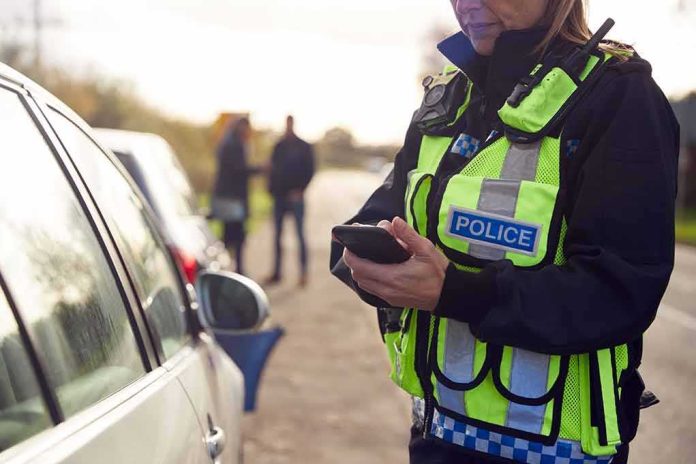
A free website now lets you see if police or other agencies searched your license plate inside Flock Safety’s system, using audit logs released under public records laws.
Story Snapshot
- The Have I Been Flocked site compiles Flock Safety audit logs from public records requests.
- Search results reflect active lookups in Flock’s system, not just camera sightings.
- The database is large but incomplete and depends on what agencies release.
- The project lands in a wider fight over transparency and license plate reader rules.
What the New Site Actually Shows
Have I Been Flocked gathers audit logs that show who searched for license plates inside Flock Safety’s platform and when they did it. The site says it relies on records released under open records laws, including Freedom of Information Act requests, and agency transparency portals. Project materials define these files as search logs from inside the system, not simple lists of camera hits. That distinction matters because it points to an active lookup by a user, not only a camera scan reported by a device.
The website offers a public search tool where drivers can enter a license plate and see if it appears in released logs. Coverage from national outlets describes the service as a way to learn whether law enforcement ran a plate through the Flock system, beyond any roadside photo. The site also posts guides that show people how to request the same audit logs from their local police or university departments, so more records can be added over time.
Scope, Limits, and How the Data Grows
The database is not full coverage of the country. It only includes logs that an agency has chosen or been compelled to release. One posted agency page states that results are limited to searches visible in the logs that specific departments provided. Recent reporting cites millions of plates across hundreds of millions of searches compiled so far, underscoring the scale but also the patchwork nature of what is public today. The site invites people to submit new releases to expand the collection.
Some logs arrive with redactions, and fields may be obscured, which can hide details about users or reasons for a search. The project acknowledges that audit logs are often partially redacted by default when agencies or vendors produce them. Readers should treat the database as a window into activity that records offices allowed out, not a final ledger of every search done nationwide. That caveat does not change the core function: surfacing actual search activity where records exist.
Why This Matters Across the Political Spectrum
Audit logs sit at the center of a long debate over automatic license plate readers. Policy groups, civil liberties advocates, and some courts have pushed for strong logging and public access to ensure accountability, while others warn that broad disclosure could expose tactics or personal data. The Brennan Center for Justice recommends robust audit logging so outside reviewers can test how these tools are used and shared across agencies. Open records supporters argue the logs help the public check power.
JUST IN: New website “Have I Been Flocked” lets drivers check whether law enforcement has searched their license plate in Flock camera databases.
— Polymarket (@Polymarket) August 16, 2026
For many Americans, the appeal is simple: If the government or a vendor tracks your movements or runs your plate, you should be able to see when that happens. That view fits growing concern, on the right and the left, that powerful systems operate with little sunlight. This tool does not end that concern, but it adds a way to verify real-world use. It also gives communities a basis to demand clearer retention limits, better training, and stronger penalties for misuse.
How Communities Can Use the Findings
Local leaders can compare audit activity with their stated policies on when and why officers may run a plate. If patterns show frequent broad searches with weak ties to cases, councils can ask for corrections or set tighter controls. The site’s reports section points readers to recurring patterns that may call for policy review, like excessive sharing or unusual search spikes tied to non-violent issues. These steps match calls for logs that support real audits, not box‑checking.
What to Do if Your Plate Appears
If a search shows your plate, that means someone queried it in Flock’s system at a specific time, according to the public records released. That entry does not by itself prove a crime tie or an error. It is a trace of a lookup. People can request the underlying record from their local agency to learn more context. Guidance from transparency groups outlines how to file public records requests for audit logs, contracts, and access policies to build a fuller picture.
Bottom Line
Have I Been Flocked opens a practical path to see whether your plate was actively searched in a major license plate system. The database depends on what agencies release, and some details may be redacted. Still, the core fact stands: these are search records from inside the platform, available because of public records laws. In a time of deep distrust toward big systems, real logs—however imperfect—let citizens check power with facts, not guesswork.
Sources:
feedpress.me, haveibeenflocked.com, nypost.com, deflockapex.org, yahoo.com, san.com, law.justia.com, footnote4a.org