
President Trump formally paused a new Russia sanctions law with a written national-interest waiver, tying the delay to fuel-price risks and a diesel export arrangement with Moscow.
Story Snapshot
- Trump used a statutory waiver to pause Congress’s Russia sanctions package and sent a report to lawmakers.
- The White House linked the pause to diesel-price concerns and refinery attacks tied to the war.
- Reports described a Russia diesel release and a Treasury license exempting fuel through April 2027.
- Bipartisan senators urged swift sanctions, warning the pause aids Russia’s war finances.
What the Executive Action Does and Why It Matters
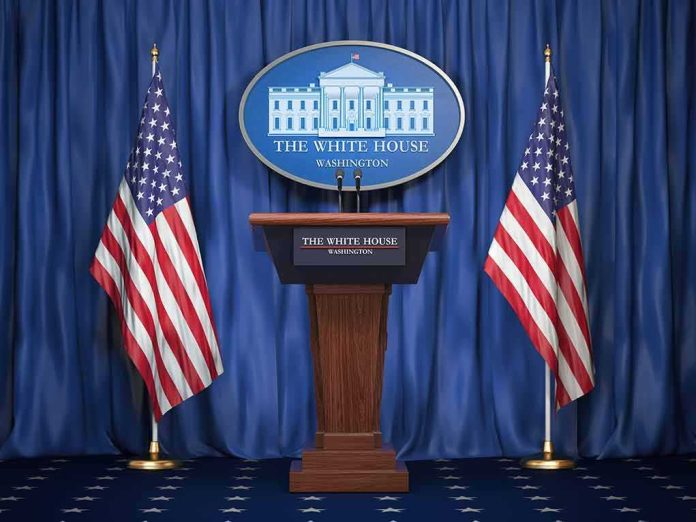
On October 16, 2026, President Trump signed an order pausing a sweeping Russia sanctions package just before major parts would take effect. The order invoked waiver authority in law and included a report to Congress stating the pause was in the national interest. The move leaves the law on the books while easing immediate enforcement. The administration framed this as temporary and reversible to manage near-term risks without killing the tool itself.
The administration says energy markets drove the decision. Officials pointed to drone strikes on Russian refineries and concerns that tighter limits on Russian fuel could raise diesel prices. Reuters linked Trump’s push to halt those attacks with rising diesel costs at home. Al Jazeera reported that the administration eased restrictions on Russian fuel to calm prices amid global spikes. The White House argues lower fuel stress helps families and farmers now, while it keeps leverage for later.
The Reported Diesel Arrangement and Its Limits
Reports described a diesel understanding between Trump and President Vladimir Putin on October 9. Russia would release over 300,000 tonnes first, then up to 1.5 million tonnes later. A Treasury general license reportedly shielded Russian diesel from sanctions into April 2027. These details suggest a concrete supply channel rather than only talk. Still, outlets did not show a binding supply contract, inspection rules, or penalties if deliveries fall short.
Ukraine and European sources questioned Russia’s follow-through almost right away. Ukraine said Russian forces still struck energy sites after the “energy ceasefire” was announced. The Kremlin did not clearly confirm a formal ceasefire, adding to doubts about steady flows. European Union officials voiced caution that easing pressure before verified steps by Moscow could undercut allied strategy and reduce the cost of aggression.
Congressional Pushback and the Core Tradeoff
Bipartisan senators pressed the administration to implement the law fast and target Russia’s “shadow fleet.” They argued that every day without maximum pressure lets Moscow fund and sustain the war. Lawmakers warned that loosening diesel limits gives the Kremlin revenue while barely moving pump prices for Americans. They urged Trump to rescind the diesel deal and enforce the new sanctions as written by Congress.
🇪🇺🇺🇦 RENAISSANCE VIEW
Trump is now a threat to Ukraine.
Washington has waived the new Russia sanctions approved by Congress under the Graham Act.
In the same week:
— A diesel deal with Russia.
— Plans under consideration to lift sanctions on Russian shadow fleet vessels.… pic.twitter.com/iEzB8dLZgI
— Renaissance Europe Institute (@reieurope) October 17, 2026
This fight highlights a hard tradeoff in energy sanctions. Cutting supply can squeeze the aggressor’s budget, but it can also raise prices for buyers, including the United States. Past sanctions shocks saw prices jump even as Russian barrels continued to move at discounts through workarounds. The open question is whether short-term fuel relief is worth the lost pressure on Russia’s war financing. The public record does not yet show a clear price impact from the pause.
What to Watch Next
Congress may force more transparency. Lawmakers can demand the full national-interest report, the legal analysis, and the general license terms. They can also request shipment data, customs records, and Energy Department modeling to test if promised diesel was delivered and if prices actually eased. If deliveries lag or strikes continue, pressure will build to snap back enforcement. If prices stay high, both sides of the aisle may question the pause’s value.
Sources:
nypost.com, wftv.com, reuters.com, apnews.com, bbc.co.uk, 24tv.ua, wtop.com, osw.waw.pl