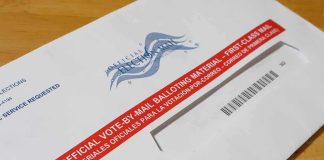


Control of Congress is on the line today as voters decide every House seat and a slate of high-stakes Senate races that could flip power in Washington.
Story Snapshot
- All 435 House seats and about one-third of Senate seats are on the ballot.
- Republicans hold 53 Senate seats; Democrats need four net gains to take control.
- A New York Times/Siena polling series shows Democrats leading in five of seven key Senate races.
- Early voting has been underway for weeks ahead of Election Day, boosting turnout uncertainty.
What Is Being Decided In The 2026 Midterms
Election officials set November 3, 2026, as the day when voters choose control of Congress. All 435 seats in the House of Representatives are up for election. About one-third of Senate seats are also on the ballot, which is standard for midterms. The Associated Press election calendar explains the scope and timing of these contests and confirms that congressional control is directly at stake this cycle. The results will shape the agenda for President Trump’s second term.
Republicans currently control both chambers. In the Senate, Republicans hold 53 seats, while Democrats and two independents who caucus with them hold 47. Reporters note that Democrats must gain a net of four seats to flip control, assuming no tie-breaking changes. That target is difficult but feasible in a map with several close contests. Reuters and ABC News lay out this arithmetic and why a handful of states could decide the chamber.
Seven Senate Races Drawing National Focus
A final New York Times/Siena polling series measured seven closely watched Senate races. Democrats led in five: Michigan, Texas, Maine, Ohio, and Kansas. The reported margins placed Democrats ahead by mid to high single digits in several states. Two other races, Alaska and Iowa, were effectively tied within a few points. The coverage underscores how small shifts could drive big changes in Senate control if Democrats also defend their own seats.
News coverage connects those five Democratic leads to a plausible path to a majority. Analysts argue that wins in four Republican-held states would be enough to flip the Senate, if Democrats hold their current seats. CNN framed this as a real but narrow route, not a lock. That view reflects both the polling snapshot and the basic math of the current 53–47 chamber. The takeaway is simple: a few states could swing the balance of power.
Voting Timeline And The Turnout Wildcard
Reuters reports that early voting had been underway for weeks before Election Day. That means many ballots were cast as late ads, rallies, and controversies played out. Early voting raises a turnout wildcard: different groups vote at different times, and late shifts may not sway those who already voted. This timing makes election-night calls more complex in tight races. It also shortens the window for campaigns to adjust messages before votes are locked.
6ELECTION DAY 2026: THE BALLOT IS BIGGER THAN TRUMP | Peter Boykin's Go Right Perspective
TRUMP. REPUBLICANS. DEMOCRATS. THE CONSTITUTION. WHO REALLY HOLDS THE POWER?
It's Election Day 2026, and Americans are deciding who controls Congress and the future direction of… pic.twitter.com/ttXvFRIQjT
— Peter Boykin The Constitutionalist For Liberty 🗽 (@PeterBoykin_) November 3, 2026
History offers a caution for both parties. Studies show the president’s party usually loses seats in midterms, though the size of losses varies with approval, turnout, and the map. That pattern sets expectations but does not decide outcomes. This year’s unified Republican government raises the stakes further because both chambers are in play. Voters frustrated with cost of living, immigration, and trust in government may split tickets or back change at different levels.
Why These Races Matter For Everyday Life
Senate control shapes what laws pass and who gets confirmed to lifetime courts. House control drives spending bills and investigations. With power tight, one seat can decide budget fights, border policy, energy rules, and oversight of federal agencies. Many Americans across the spectrum feel that elites in Washington ignore their needs. This election will decide which party writes the next set of rules and whether divided government returns as a check on the status quo.
How To Read The Polls Without The Hype
Polls offer a late snapshot, not the final score. The seven-state series highlights where the fight is closest, but it does not cover every race. The coverage itself warns that two contests are within a point or two, which means small turnout swings could change winners. Treat the numbers as a guide to where your vote is most pivotal. The decisive fact remains simple: enough close races exist to put Senate control in reach for either party.
What Happens Next
States will count votes tonight and over the coming days, following their rules. Close races may take time to settle. Party leaders have legal teams ready for recounts if margins are razor thin. Markets, donors, and interest groups will read the results as a signal about the next two years of policy. For citizens worried about rising costs, border security, or federal overreach, the outcome will set the battleground for those fights in Congress.
Sources:
cnn.com, apnews.com, edition.cnn.com, britannica.com, abc6onyourside.com, reutersconnect.com, cardinalscholar.bsu.edu