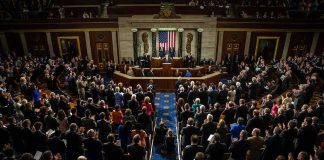

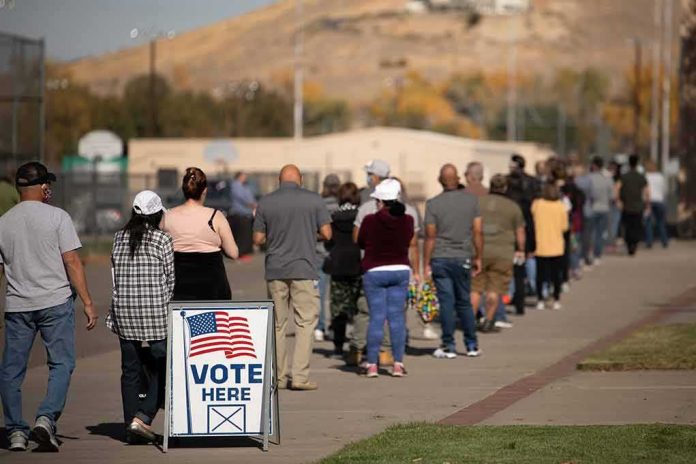
Older voters powered the midterms and demanded relief on prices and protection for Social Security, but Republicans still lost control of Congress.
Story Highlights
- Voters named inflation and healthcare costs as top problems, with strong concern across parties.
- Adults aged 50 and older made up 60% of the electorate and opposed Social Security cuts.
- Democrats won control of both chambers as Republicans lost key seats nationwide.
- Analysts say midterm history and disapproval of President Trump also weighed on results.
What Drove Voters: Prices, Care, and Retirement Security
NBC News exit polling reported that most voters felt real strain from rising prices. Large shares cited high costs for gas, groceries, utilities, and healthcare as daily pressures. Concern about healthcare bills remained high as well. These pocketbook worries crossed party lines and age groups, suggesting a broad mandate for affordability. The polling framed the election as a reaction to economic pain, not a niche debate. These findings set the stage for how both parties must now respond.
AARP’s reporting said voters aged 50 and older formed 60% of the electorate. This group prioritized retirement security and stable healthcare. An AARP survey found overwhelming support for protecting Social Security from benefit cuts, with strong backing among Republicans, independents, and Democrats. Senior AARP campaign leader John Hishta said voters sent a clear message to safeguard benefits. This concentration of older voters made their preferences hard to ignore in close races and national strategy.
How The Map Shifted: Seat Losses and a Power Flip
The congressional map moved blue on election night. The BBC’s results summary showed Democratic control of both the House and the Senate after Republicans lost ground in many regions. The report cited a net loss of seven Senate seats and 30 House seats for the GOP. Those numbers reflected a broad shift, not just a few local surprises. The scale of the change reset Washington’s balance and influenced committee control and the policy calendar.
The outcome arrived despite strong Republican focus on the economy and border security. Democrats framed their case around lowering costs. NBC News noted that Democrats campaigned on making life more affordable, a message that matched voter concerns. Whether that promise can become real policy remains to be seen. Campaign messages often win attention, but policy delivery takes time, negotiation, and tradeoffs that test party unity and public patience.
Midterm Patterns and Dissatisfaction With Leadership
Historical patterns also mattered. Analysts long note a “midterm penalty,” where the president’s party usually loses House seats. Academic and media reviews show this has happened in nearly every midterm since the Civil War, with average losses in the dozens. That backdrop suggests structural headwinds for the party in the White House. It helps explain why Republicans faced an uphill fight, even as they tried to center bread-and-butter issues.
💢 The @FreemanActual Brief
Thursday, November 5, 2026📰 Top Headlines
• Trump says Iran war likely hurt GOP in midterms but "I did the right thing"; Vance: "The reason we lost is the war" (https://t.co/I4NkElWpof)
• Democrats win Senate control, gain 29 House seats as of…
— Freeman Actual (@FreemanActual) November 5, 2026
Exit polling linked the result to views of President Trump’s performance. NBC News reported that many voters described the midterms as a judgment on Trump, with disapproval tied to high prices and national direction. That dynamic added to the midterm penalty and reduced the power of issue messaging alone. When voters feel squeezed by costs and unhappy with leadership, they often punish the party in charge, regardless of ad spending or speech lines.
What Both Parties Must Learn From Older Voters
Older Americans sent a bipartisan warning: Do not cut Social Security, and address healthcare costs. Republicans looking to regain ground may need clearer plans that protect benefits while tackling fraud, solvency, and out-of-pocket costs. Democrats now must translate affordability promises into lower bills without risking care quality. Neither party can ignore that voters 50 and older dominate turnout. Concrete steps, not slogans, will decide trust before the next election cycle.
Limits and Next Steps for Understanding 2026
Available reporting draws on exit polls, seat tallies, and advocacy surveys. These sources show what voters said and how seats shifted. They do not pin down which specific messages moved votes in each district. A fuller picture would match district results with local prices, ad content, and turnout changes by age and party. Until then, the safest read is simple: costs, care, and retirement security set the agenda, and the party in power paid the midterm price.
Sources:
twitchy.com, aarp.org, nbcnews.com, businessinsider.com