
Qatar’s ruler says government revenue fell 42% in the first half of 2026 after war disruptions slashed gas exports and damaged key facilities.
Story Snapshot
- The Emir reported a 42% drop in state revenue for the first half of 2026.
- He linked the decline to the Strait of Hormuz closure and damage at Ras Laffan.
- Public spending fell 14% while core services were said to be protected.
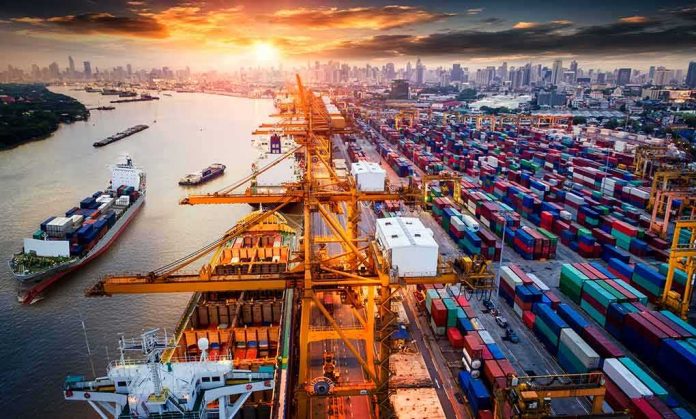
- Shipping data and force-majeure notices show steep cuts to liquefied natural gas exports.
What Qatar’s Leader Announced and Why It Matters
Emir Sheikh Tamim bin Hamad Al Thani told the Shura Council on October 13 that total government revenue dropped 42% in the first six months of 2026. He tied the loss to two shocks: a closure of the Strait of Hormuz and damage to energy assets at Ras Laffan Industrial City, which together cut exports. He also said the government reduced spending by 14% but kept essential services and priority projects on track.
The remarks matter beyond Qatar. Qatar is one of the world’s top liquefied natural gas suppliers. When its exports slow, energy markets feel it. The International Monetary Fund has warned that countries that rely on oil and gas face big swings when volumes or prices change. Qatar’s budget is sensitive to these moves, so an export shock can hit state income fast.
Evidence of Disrupted Gas Exports
Independent reporting lines up with the Emir’s account of export trouble. Reuters reported that QatarEnergy extended force-majeure notices and could not deliver cargoes to Italy’s Edison and some Asian buyers while Hormuz remained closed. By late September, the company still could not meet some deliveries. Earlier reporting showed an extreme fall in shipments during the summer months.
Coverage also described physical hits to capacity. Two of fourteen liquefied natural gas export trains were reported damaged by Iranian strikes, temporarily taking about 17% of capacity offline. That kind of damage can reduce output even if some ships can sail. It also adds repair costs and delays that ripple into contracts and revenue timing.
How Pipes, Ships, and Budgets Connect
Energy disruptions affect three different things: plant capacity, actual shipments, and government revenue. The reported 17% capacity loss refers to damaged equipment. The steep drop in cargoes tracks deliveries over weeks and months. The 42% revenue decline reflects what the state collected in that period. These measures move together, but they are not the same number and can differ because of contract terms, prices, and accounting lags.
Long contracts can smooth some shocks, but force-majeure notices pause duties when events are outside a party’s control. Legal advisers say such disputes have grown since the Ras Laffan and Hormuz events. That means some revenue may be delayed, not lost forever, while buyers and sellers work through contract clauses and new schedules once flows resume.
Global Stakes for Energy Markets and Consumers
Qatar’s problems add strain to a tight gas market. When a major supplier cuts exports, spot prices can jump, and importers scramble for cargoes. Utilities in Europe and Asia then pay more or burn other fuels. Families and factories see higher bills. The effect can reach the United States too, as global prices push on American liquefied natural gas trade and on allied economies that buy U.S. goods. Energy shocks still tax household budgets years after the pandemic.
What We Know and What’s Next
The public record shows three firm points. First, Qatar’s ruler reported a 42% revenue drop and 14% spending cut in the first half of 2026. Second, he linked this to Hormuz closure and damage at Ras Laffan. Third, trade reports confirm force-majeure notices and missed liquefied natural gas deliveries during the same period. Officials did not publish a full revenue table with line items, so the exact split of causes inside the 42% figure is not visible yet.
Sources:
zerohedge.com, thenationalnews.com, energynews.pro, x.com, velaw.com, dlapiper.com, elibrary.imf.org