Oil markets jolted higher after new strikes on Iran, but the real fight is over whether the Strait of Hormuz is open or already under pressure.
Quick Take
- U.S. Central Command says the Strait of Hormuz is open and that traffic is flowing.
- Iran says the waterway is closed or under strict control, creating a direct clash of claims.
- Oil prices rose after the strikes, showing how fast fear can move energy markets.
- No neutral public data in the package fully settles whether ships are passing safely.
What The Latest Strikes Changed
U.S. forces struck Iranian targets after attacks on commercial shipping, and U.S. officials said the response was meant to punish and deter further assaults. The package says the strikes hit air defenses, radar sites, anti-ship missile sites, and small boats. It also says the Treasury Department revoked an oil sale waiver in direct retaliation, adding financial pressure to the military response.
The market reaction was immediate. Oil prices jumped after the new fighting, which shows how closely traders link Gulf conflict with supply risk. That reaction does not prove the Strait is shut, but it does show how fast a chokepoint can shake global prices even before the facts are settled. In energy markets, fear can move almost as fast as tankers.
The Strait Of Hormuz Claim War
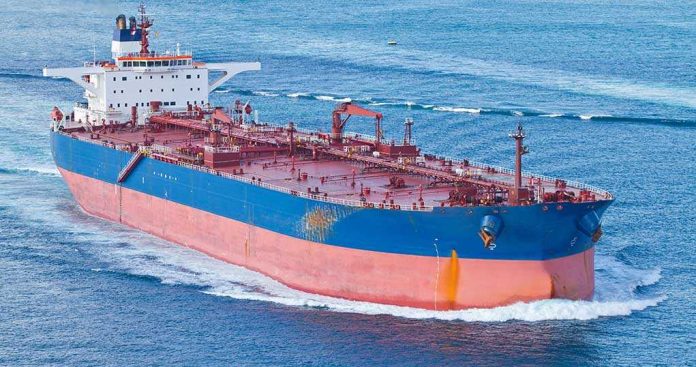
U.S. Central Command says the Strait of Hormuz is “open to all vessels” and that “traffic is flowing.” The package also says CENTCOM reported more than 800 commercial vessels and 380 million barrels of crude moving through the strait since early May. Those claims point to active shipping, but they come from one side of the dispute and are not backed here by independent maritime traffic data.
Iran tells a different story. Iranian officials and state media say passage now requires Revolutionary Guard approval, and that the route is closed or tightly controlled. That is more than political noise because Hormuz carries a huge share of global oil trade. Still, the research package shows no third-party vessel-tracking file, insurer report, or shipping-company testimony that settles the gap between the two claims.
Why The Confusion Matters Beyond One Waterway
This fight is about more than a narrow channel on a map. It is about credibility, leverage, and public fear. When oil prices rise, the public often assumes a supply break is already happening, even if ships are still moving. The package also shows that news coverage, social media, and official statements are all pushing different versions of the story at the same time.
⚠️ Read this before Monday's open. — The Grapevine
While PSX slept this weekend, the US struck ~140 targets inside Iran early Sunday — the third strike round in a week. The ceasefire is officially declared over. Brent has gone $72 → $79 in days. Sanctions on Iranian crude are…— Ehsan Malik | The Grapevine (@RealEhsanMalik) July 12, 2026
That kind of split feed helps neither side look clean. Iran gains from the threat of disruption, even if it does not fully block traffic. Washington gains from saying the route stays open, even if the region feels unstable. For readers, the key point is simpler: energy chokepoints are now battlefields for military power, markets, and messaging at once, and the public often gets the least reliable picture in the middle.
What Is Still Missing
The strongest missing piece is neutral proof. The package points to possible automatic identification system data, satellite images, shipping testimony, and insurance reports, but none of that is included yet. That matters because the dispute is not just about words. It is about whether ships can move without delay, danger, or hidden restrictions. Until that evidence appears, both sides are making claims that serve their own leverage.
The broader pattern is familiar. Iran and the United States have used Hormuz as a pressure point for years, and each new clash revives the same cycle of threats, market swings, and competing headlines. That leaves the public with a frustrating reality: the world’s most important oil route can be talked about as open, closed, or “controlled” before anyone can fully verify what is happening on the water.
Sources:
zerohedge.com, cbsnews.com, reuters.com, youtube.com, pbs.org, apnews.com, congress.gov