A Florida judge has cracked open President Trump’s business empire, ordering him to hand over closely guarded financial records to the BBC in a $10 billion defamation fight.
Story Snapshot
- A federal magistrate judge in Miami ordered Trump’s revocable trust to turn over detailed financial records to the BBC as part of his defamation lawsuit over a Panorama documentary.
- The ruling lets the BBC dig into finances linked to more than 400 Trump-related companies to test his claim of massive economic and reputational harm.
- Trump’s lawyers tried to narrow or drop economic damage claims to avoid broad disclosure, but the judge found the financial information relevant to his own allegations.
- The order is a discovery decision, not a verdict on who is right, yet it feeds public anger on both left and right about powerful figures and media fighting in court instead of fixing real problems.
Judge’s Order Puts Trump’s Finances Under the Microscope
U.S. Magistrate Judge Enjoliqué Lett in Miami ruled that President Trump must turn over financial records from the Donald J. Trump Revocable Trust to the BBC. The trust manages his businesses while he serves in the White House, and the order covers information tied to hundreds of related entities. The judge granted the BBC’s motion to compel after Trump sued the broadcaster for $10 billion, claiming a Panorama documentary badly hurt his finances and reputation.
Reporting indicates the order opens the door for the BBC to examine records from more than 400 companies owned by or tied to the Trump family trust. One outlet says the court limited production mainly to documents from early 2023 onward, so lawyers can compare Trump’s financial picture before and after the BBC program aired in 2024. Trump can still appeal the ruling to a district judge, but unless it is blocked, his team must begin turning over documents soon.
The Defamation Fight Over BBC’s Edited January 6 Footage
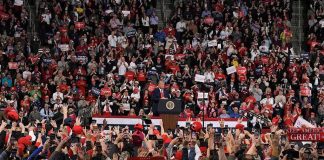
The lawsuit stems from a BBC Panorama documentary that used edited clips from Trump’s January 6, 2021 speech before the Capitol riot. The program spliced together lines from different parts of the speech into what looked like a single quote, making it appear that Trump said he would walk to the Capitol and “fight like hell” with his supporters. The BBC later apologized for the way the speech was edited but denied that it defamed Trump or falsely portrayed him calling for violence.
Trump’s complaint accuses the documentary of showing him in a “false, defamatory, deceptive, disparaging, inflammatory, and malicious” way. His lawyers originally claimed “overwhelming financial and reputational harm,” saying the edit damaged his businesses and public image. That huge $10 billion figure and the broad accusations are what led the BBC to ask the court for deep access to his financial data. The broadcaster argues it must test whether there is real economic loss behind the dramatic claims.
Discovery Ruling, Not Final Judgment — But Still a Political Flashpoint
This decision is about evidence, not guilt. Judge Lett did not decide whether the BBC defamed Trump; she decided what information each side needs to argue that question. Because Trump claimed large economic damages, the judge found that his trust’s financial records are fair game for discovery. That means the BBC can now compare his claimed losses with actual numbers from his companies, rather than relying only on his word.
[…] "This is huge: #Trump sued the #BBC for #defamation, and now a federal judge has ruled he must hand over detailed financial records, opening the door for the network to examine more than 400 companies tied to his family trust. He wanted a headline and got discovery instead.… pic.twitter.com/fNduxWpuJC
— Fernando Ruano Faxas (@RuanoFaxas) July 26, 2026
Politico reports that Trump’s team tried to back off some economic claims, saying his focus had “evolved” and now rests more on reputational harm than on business injuries. But by that point, the damage was done: those earlier claims helped persuade the judge that the BBC needed access to his financial records to defend itself. Commentators say the ruling may also allow subpoenas for people in Trump’s inner circle, widening the spotlight on his finances and political allies.
Why This Case Hits Nerves Across the Political Spectrum
Many conservatives see this fight as another example of a major global media outlet targeting Trump while ignoring the worries of regular Americans about border security, energy prices, and inflation. They watch a British public broadcaster use U.S. courts to pry into an American president’s private business records and feel that elites face one set of rules while the rest of the country struggles to get by.
Many liberals look at the same case and see something different but related: a powerful president suing a news organization for billions of dollars, which they fear could chill tough reporting and public debate. They worry that giant lawsuits and court pressure may push media to avoid strong coverage of those in power, even when citizens need clear information about leaders and their actions.
A Window Into How Power, Media, and the Courts Now Collide
Stepping back, this dispute shows how political and media battles rarely stay on the surface. Instead of a simple question — did the BBC fairly edit Trump’s words? — the case now reaches into private ledgers, business structures, and the lives of people around the president. That kind of deep digging may be needed to get to the truth in a defamation case, but it also reinforces the sense that powerful institutions fight each other endlessly while everyday problems go unsolved.
For many Americans on both the left and the right, this ruling fits a broader pattern. They see courts, media organizations, presidents, and billion-dollar trusts locked in combat, while wages lag, housing costs soar, and the promise of the American Dream feels out of reach. The Trump–BBC case will move on through appeals and more hearings, but the deeper question remains: when do the people running the system spend as much energy fixing the country as they do protecting their own power?
Sources:
mediaite.com, bbc.com, youtube.com, newsweek.com