
World Health Organization data show tens of thousands in Gaza now live with life-changing war injuries, while most rehabilitation care they need is missing.
Story Highlights
- World Health Organization estimates place life-changing injuries in Gaza in the tens of thousands.
- Severe limb trauma, amputations, spinal and brain injuries drive long-term disability.
- Rehabilitation capacity has collapsed, with few hospitals and services functioning.
- Early discharges and broken follow-up care increase the odds of permanent disability.
What The New Numbers Say About Lasting Injury
World Health Organization reporting states that about one in four war injuries in Gaza are life-changing, requiring long-term rehabilitation for years to come. Updated analyses describe many thousands of people with permanent or long-term functional limits. These include amputations, head injuries, spinal cord injuries, and major burns that disrupt daily tasks like walking, working, and caring for family. The scale of need is large, and it is not a short-term crisis. It will shape lives, homes, and neighborhoods for years.
World Health Organization assessments explain that severe limb trauma is a main driver of disability. Limb reconstruction often needs staged surgeries, steady therapy, and assistive devices. When those steps break, function declines. People lose strength, range of motion, and balance. Contractures set in. Children miss key growth windows for fitting devices. Adults who once worked can no longer lift, stand, or travel for a job. These are the practical ways a blast injury turns into a lifelong barrier.
Why Rehabilitation Is The Deciding Factor
World Health Organization documents say less than one-third of prewar rehabilitation services in Gaza are operating. Only a fraction of hospitals are even partly open. Many therapists have been displaced. Essential gear for rehab, like parallel bars, prosthetic parts, and wheelchairs, is scarce. Patients are discharged early. Follow-up is weak or absent. Each break in this chain makes recovery less likely and disability more permanent, even for injuries that could improve with steady care.
Technical notes from the World Health Organization lay out the numbers behind the need. Analysts estimate many thousands of people require extended rehabilitation after injuries since late 2023. The models flag amputations and complex limb injuries as especially high-need groups. They also describe how care gaps push mild and moderate injuries toward worse outcomes over time. While figures are estimates, the trend is clear: without reliable therapy and devices, more people move from “injured” to “disabled.”
Daily Life After Injury: Home, Work, School
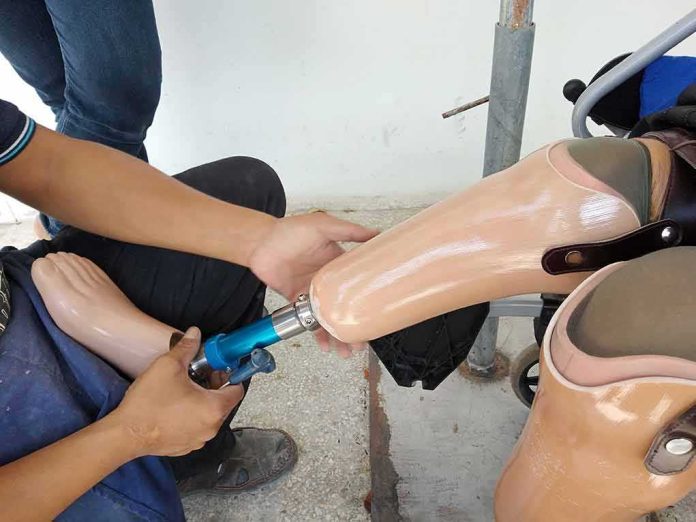
People with amputations need regular fittings and repairs for prosthetic limbs. Without them, walking is painful or impossible. Those with spinal cord injuries need wheelchairs that fit, pressure sore prevention, and training for safe transfers. Children with brain injuries need speech and occupational therapy to return to class. When services fail, families become caregivers full time. Income drops. Kids miss school. Simple tasks like bathing or cooking require help. These are predictable effects of a broken rehab system.
Palestinian child Mohammed Shaaban lost both his feet and one hand in an Israeli attack during Israel’s genocidal war on Gaza.
Despite these life-changing injuries, he continues attending school, practicing sports, and taking part in daily activities at his displacement camp in… pic.twitter.com/H04txLB0Uk
— The Times of Palestine (@PalTimesNews) October 5, 2026
The wider health system strain feeds the cycle. World Health Organization reporting describes a health network under severe stress, from power and supply shortages to damaged buildings. In these conditions, surgeons race to save lives but cannot ensure long, steady rehab. That gap turns survival into a new struggle. The result is a social and economic shock that hits whole communities, not only the injured. It also raises costs for years, because delayed rehab is harder and less effective.
What This Means For Policy And Aid
Clear needs emerge from the data. First, protect and expand basic rehabilitation: safe spaces for therapy, trained staff, and supplies. Second, scale assistive devices and maintenance so people can move, work, and attend school. Third, support home-based care to bridge transport gaps. Fourth, link cash or wage support with rehab plans so families do not have to choose between food and therapy. These steps match what World Health Organization analyses say is missing today.
For American readers frustrated by federal drift and endless spending abroad, here is the sober bottom line. When wars shatter health systems, injuries do not end when the shooting slows. They harden into disability if rehab fails. That makes later aid more expensive and less effective. Measured, well-run support now can reduce long-term costs and human suffering. The World Health Organization’s figures map a narrow window to act before temporary injuries become permanent for life.
Sources:
youtube.com, emro.who.int, english.aawsat.com