

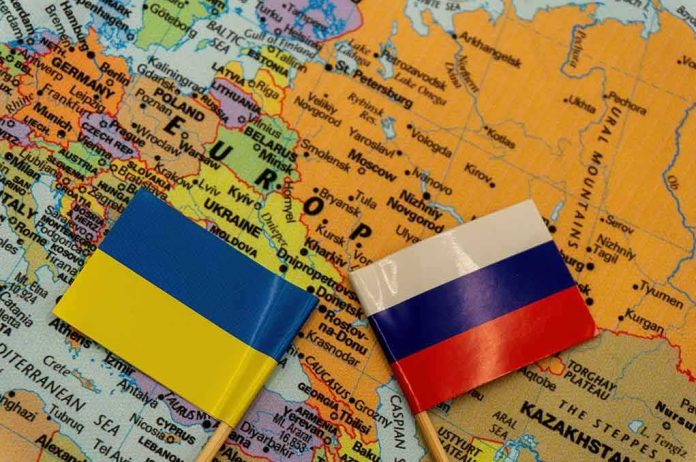
Russia says it is open to new Ukraine peace ideas but only if they lock in gains on the ground, a stance that could shape Kyiv’s choices when outside help thins.
Story Snapshot
- Moscow signals readiness for talks while insisting on “realities on the ground” as the baseline.
- The Kremlin says its core conditions from 2024 remain unchanged, including limits on Ukraine’s alliances.
- Ukrainian war fatigue is rising, yet most still reject peace on Russia’s terms.
- Any deal likely means ceasefire pragmatism, not a long-term tilt toward Russia.
Russia’s Negotiating Line: Talks, But On Its Terms
Russian officials say they want talks, but they keep the bar high. On August 21, a senior diplomat said Moscow would hear new ideas if they reflect the “realities on the ground,” a phrase widely taken to mean current front lines and Russian claims. On June 29, the Kremlin said its conditions had not changed since 2024, when President Vladimir Putin demanded Ukrainian withdrawal from four occupied regions and a pledge to avoid the North Atlantic Treaty Organization (NATO). This framing narrows space for compromise.
Kremlin spokesman Dmitry Peskov has pointed to possible trilateral talks with the United States and Ukraine. He also warned that there is no quick restart in sight, even as Moscow says it remains open to negotiations. These twin messages signal pressure and patience. They allow Russia to look flexible to global audiences while it keeps military pressure on the ground. That mix has appeared before in long wars, where battlefield leverage sets the tone for diplomacy.
Ukraine’s Public Mood: Tired Of War, Not Ready To Yield
Polling shows many Ukrainians want the fighting to end through negotiations, with Gallup reporting in 2025 that 69 percent favored a negotiated end rather than fighting until victory. That shift reflects deep fatigue after years of air strikes, mobilization, and economic strain. Yet other surveys and analysis show most Ukrainians do not accept peace based on Russia’s demands, which include territorial losses and limits on defense choices. The split is clear: end the war, but not at any price.
This pattern is common in long conflicts. People push leaders to stop the bloodshed, yet they resist deals that feel like surrender. That tension often produces short truces or ceasefires, not big political shifts. In Ukraine’s case, the war has hardened national identity and trust in Western ties, even as daily costs rise. Those forces point away from a deep realignment toward Moscow, even if a pause in fighting becomes popular as winter bites and budgets tighten.
What Moscow Wants Versus What Kyiv Can Accept
Russia’s core asks—recognition of control in four regions and a halt to NATO plans—clash with Kyiv’s red lines and with promises from its partners. These demands would lock Ukraine into a weaker strategic position and validate land taken by force. That is why Ukrainian leaders have resisted such terms in public. For any talks to move, the sides would need face-saving steps that do not force Kyiv to sign away sovereignty. So far, Moscow’s statements leave little room for that.
If Western military and financial aid slows, pressure on Ukraine to find a ceasefire could grow. But a ceasefire is not the same as a pivot toward Russia. Experts note that after the war, Russia is likely to be more isolated, more suspicious of Europe, and more disruptive, not a stable partner for Ukraine’s recovery. That outlook makes a long-term tilt toward Moscow unlikely. Pragmatic steps to stop the shooting could happen first, while political distance remains.
How A Postwar “Pragmatic” Phase Might Look
A likely path, if talks start, is a narrow deal to freeze lines, trade prisoners, and open humanitarian corridors. That would meet urgent needs without forcing Ukraine to accept Russia’s broader terms. It would also let both sides claim limited wins. Over time, economic pressure and rebuilding needs could push for practical contacts on energy, transit, and border rules. But those are transactional links, not trust. They do not erase war trauma or settle core security questions.
For Americans watching Washington’s role, the stakes are clear. Strong, steady support gives Kyiv options beyond a painful compromise. A pullback could tilt the table toward a ceasefire on Moscow’s preferred baseline. Many on the right and left worry that elites make these choices without clear goals or safeguards. Clear policy, strict oversight, and honest benchmarks can help avoid a drift into outcomes that reward force and deepen public distrust at home.
Bottom Line: Ceasefire Pressures, Not Realignment
Russia is talking about talks while holding to hard conditions on territory and alliances. Ukrainians are tired of war yet still reject those terms in large numbers. History suggests a practical ceasefire is more plausible than a deep shift by Ukraine toward Russia. If Western aid ebbs, pressure for a freeze may rise. But a freeze would likely be a stopgap, not a new friendship—one that leaves the hardest issues for another day, and the region on edge.
Sources:
newsukraine.rbc.ua, ground.news, aa.com.tr, english.news.cn