
President Trump hosted China’s Xi Jinping for a full White House state visit and dinner, signaling a hard reset in a tense rivalry.
Story Highlights
- Trump welcomed Xi with formal ceremonies and a state dinner at the White House.
- Both leaders held talks in Washington focused on stabilizing ties amid major disputes.
- The visit marked Xi’s first Washington state visit in over a decade.
- Summit optics were grand even as concrete policy deals remained limited, per analysts.
What Happened at the White House
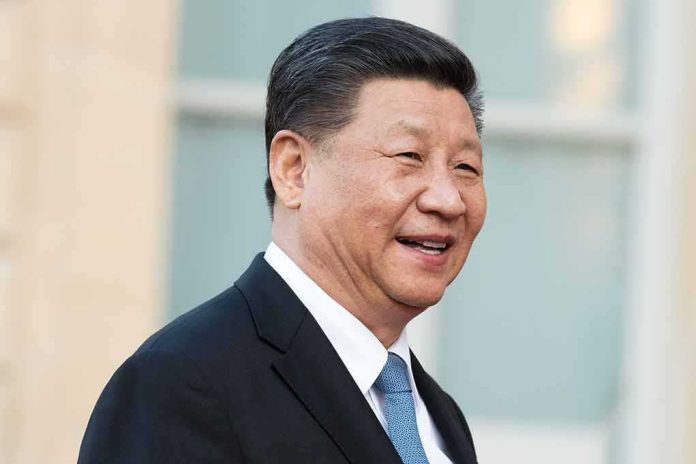
On September 24, 2026, President Trump hosted Chinese President Xi Jinping for a formal state visit and state dinner at the White House. The First Lady’s office previewed the evening greeting at the North Portico and the East Room dinner days in advance, confirming the schedule and protocol. Morning ceremonies and meetings set the tone for a high-profile day. Reporting described the welcome as lavish and tightly choreographed in keeping with a classic state visit.
The day featured bilateral talks in Washington, with both leaders set to deliver public remarks. The schedule did not include a joint news conference, and it was unclear if either would take questions from reporters. That choice kept public messaging controlled while the leaders focused on private discussions. Outlets tracked the agenda and noted the blend of ceremony and substance throughout the visit.
Why This Visit Matters Now
The visit came as the United States and China managed friction over trade, technology, Taiwan, and security issues. Analysts said the main value of such summits is to keep lines open and lower the risk of missteps, even when big agreements are unlikely. The approach matched a broader pattern where rivals stage high ceremony to signal stability while they work through tough, long-term disputes.
For Washington, the optics showed that dialogue continues even as competition grows. For Beijing, the warm welcome projected status and respect on the world stage. Both sides sought to reassure markets and allies that communication remains steady. That signal matters for supply chains, energy prices, and investor confidence. It also matters for Americans who worry that great power tensions can raise costs and shake jobs at home.
The Pomp, the Guests, and the Optics
Coverage highlighted full honors, a red carpet welcome, and a guest list that reportedly included major business and technology figures. Such details underscored the White House goal to show partnership space on economics and innovation, even as both countries guard core interests. The dinner setting let leaders speak to each other and to influential audiences who track trade rules, chip access, and artificial intelligence guardrails.
Trump hails
friendship with Xi
WASHINGTON, Sept 24: President Donald Trump today hailed the "truly great friendship" he has forged with Xi Jinping as the Chinese leader began his highly anticipated state visit.https://t.co/g7HQIGllYo pic.twitter.com/l0vOKZ4vTz— Daily Excelsior (@DailyExcelsior1) September 25, 2026
The rollout also marked a first in years. Xi last made a Washington state visit more than a decade ago, and this trip underlined the stakes of the current moment. The Council on Foreign Relations called it Xi’s first visit to Washington in a decade, framing the event as part of a series of leader meetings meant to manage rivalry rather than end it. That message fit the day’s tight schedule and scripted remarks.
What Was Said, and What Was Not
Reports said the leaders planned remarks at the White House in the morning and again in the evening at the dinner. Journalists noted the lack of a joint press conference, which cut the odds of off-script exchanges. That kept attention on set speeches and the images of unity that state visits are designed to produce. The Associated Press live coverage captured that structure and the emphasis on ceremony and messaging over unscripted debate.
State dinners rarely settle the hardest issues on the table. But they do set a tone that can ease later talks by working-level teams. That is why markets and allies watch them. The balance between firm competition and steady contact is hard to keep. Yet leaders on both sides seemed to use the day to project control and continuity, avoiding steps that would inflame tensions while keeping their core positions intact.
What It Means for Americans
Americans care about what this means for jobs, prices, and security. Trade rules and tech access shape the cost of goods, the health of factories, and the future of innovation. When leaders meet, they can slow harmful spirals and buy time for better deals. That helps families who feel squeezed by prices, energy costs, and supply shocks. It also helps small firms that depend on stable rules to plan, hire, and invest with some confidence.
Both parties often say they want to defend workers, secure supply chains, and protect national security. This visit showed that rivalry and contact can exist at the same time. The ceremony did not fix core disputes. But it kept channels open. For a public tired of gridlock and grandstanding, that is a small but real step. The test comes next, when negotiators try to turn polite words into practical, clear gains.
Sources:
youtube.com, abcnews.com, whitehouse.gov, apnews.com, cnn.com