

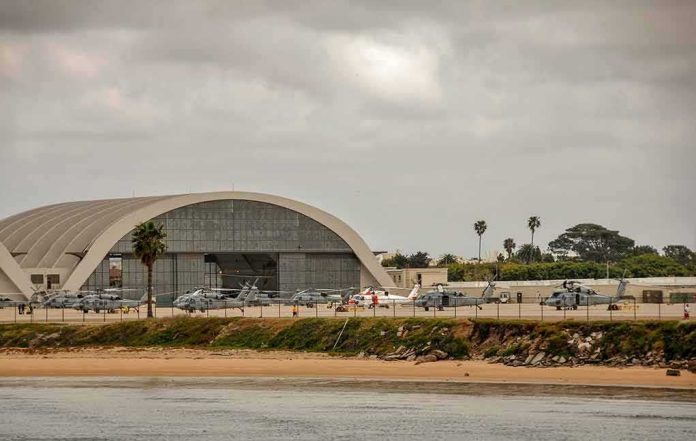
Leaked photos and satellite images show notable damage at U.S.-linked Gulf bases even as officials emphasize “minimal” impact.
Story Snapshot
- Commercial satellite images and leaked photos reveal damaged U.S.-linked sites across the Gulf.
- Pentagon confirmed a direct hit at Al Udeid in Qatar but called the damage “minimal”.
- Analyses identified strikes affecting Bahrain and the United Arab Emirates facilities as well.
- Government cites operational security for limits on detail while outside estimates tally large losses.
What new images show at U.S.-linked bases
Satellite images and ground photos point to damage at bases used by U.S. forces in Qatar, Bahrain, and the United Arab Emirates. Visual analysts mapped scorched areas, hit structures, and damaged radar or support buildings at multiple sites since the war began. These findings align with reports that Iranian attacks reached beyond a single base and left clear marks on runways, hangars, and living areas. The images do not prove every claim, but they show physical harm that is hard to ignore.
At Al Udeid Air Base in Qatar, a June image showed a blackened spot where a geodesic dome once stood, suggesting a successful strike on communications gear. The Pentagon confirmed one Iranian ballistic missile hit the base and said the impact caused “minimal damage” with no injuries. Officials also said the base stayed fully operational and that other incoming missiles were intercepted by United States and Qatari defenses. The visual record, however, still shows a real point of impact.
Confirmed hits beyond Qatar
Associated Press image reviews flagged damage at the United States Navy Fifth Fleet area in Bahrain and at Al Dhafra Air Base in Abu Dhabi, expanding the known set of affected sites. These images showed harm to structures near operations zones and support facilities. The New York Times visual team also documented damaged living and working areas, drone shelters, and radar systems at several locations in the region. Together, these assessments suggest a broader pattern of strikes on infrastructure used by American forces.
Reuters reporting carried Iranian military claims of hits on United States-linked defenses and support sites across Gulf states, including Kuwait and Bahrain. While official United States accounts have been cautious, independent imagery has shown more than isolated scarring. BBC analysis said at least twenty United States military sites took damage since the conflict’s start, though the government declined comment, citing operational security. This mix of claims and images paints a picture of scattered, uneven, but real damage across several host nations.
Why officials and analysts frame the damage differently
United States officials have strong reasons to limit public detail during an active conflict. Protecting troops, shielding base layouts, and preserving deterrence all matter. The Pentagon has confirmed certain strikes while stressing minimal impact and steady operations. Independent analysts, working from open images and leaked photos, emphasize visible destruction and the spread of targets. The New York Times reported that satellite providers were asked to hold back visuals to protect forces, a longstanding practice, which narrows what the public can see.
It has been VERY interesting to watch how United States has handled war damages inflicted on its bases and assets by Iranians in Gulf. For the most part, Pentagon has either been tightlipped or in plain denial.
For instance, Iran's latest ballistic missile salvo on Jordan damaged… https://t.co/iNQhP70ipO— Sreemoy Talukdar (@sreemoytalukdar) September 10, 2026
These gaps create frustration across the political spectrum. Many Americans feel leaders hide the ball, while others worry selective leaks distort risk. BBC and other outlets have even attached cost estimates, with one analysis placing early damage to bases used by the United States at around eight hundred million dollars, plus more for buildings and infrastructure. That figure signals real stakes for taxpayers and troops, even if some specific claims remain under review or are described as limited by officials.
What this means for readiness, taxpayers, and trust
For readiness, a base can be “operational” while still taking hits that strain repairs and supply. Damage to radar or communications can briefly reduce awareness, even if backups kick in. For taxpayers, repeated repairs and hardening cost money, and allies may press Washington for more support. For trust, both the left and right share a worry: when officials downplay damage and restrict details, people suspect spin. When leaks lack context, people suspect exaggeration. The truth often lies in between.
What to watch next
Watch for new, verified before-and-after images at each site, not just single snapshots. Look for clear statements from United States Central Command on repairs, base hardening, and lessons learned. Track congressional oversight about damage briefings and release policies. If officials keep citing operational security, ask for timelines on declassification once risks fade. The public does not need target coordinates. It does deserve honest bounds on what was hit, what it cost, and how the military is adapting.
Sources:
zerohedge.com, iranintl.com, themedialine.org, middleeasteye.net, nytimes.com, unilad.com, reuters.com, apnews.com, ynetnews.com