
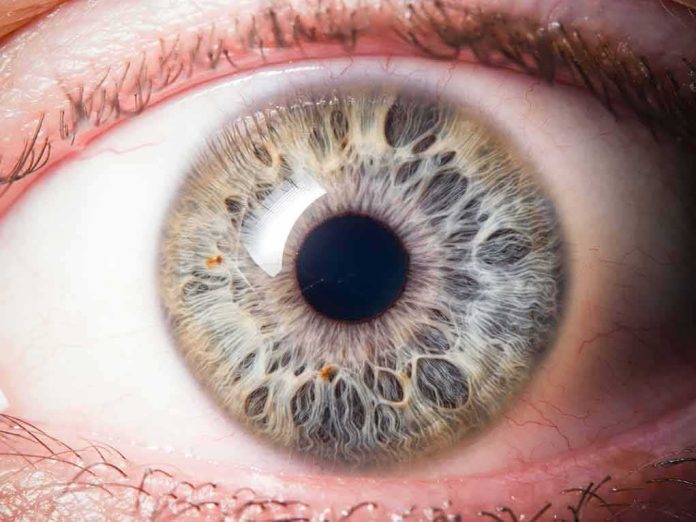
The Food and Drug Administration ordered all makers of GLP-1 drugs to add a warning about a rare eye disorder that can cause permanent vision loss.
Story Snapshot
- The Food and Drug Administration mandated class-wide label changes for GLP-1 drugs over a potential eye risk.
- The warning covers Ozempic, Wegovy, Zepbound, and all drugs in the same class.
- The agency cited rare cases of a condition that can cause sudden, painless vision loss.
- Trials showed 6.4 versus 3.8 cases per 100,000 person-years for users and comparators, based on 15 events.
What The Food and Drug Administration Decided and Why It Matters
On November 9, 2026, the Food and Drug Administration said all glucagon-like peptide-1 receptor agonist labels must warn about a potential increased risk of non-arteritic anterior ischemic optic neuropathy. That condition can damage the optic nerve and may cause lasting vision loss. The action applies across the class, not just one brand. The Food and Drug Administration framed the risk as potential, not proven cause and effect, but said patients and doctors need clear guidance now.
The new labeling tells patients to seek care fast for sudden, painless vision loss or a new blind spot. The guidance advises eye exams when doctors suspect this condition. It also says to consider stopping the drug if the diagnosis occurs, unless the benefits for that person clearly outweigh the risk. This is a common step in drug safety when a rare but serious event appears in several data sources at once.
Which Medicines Are Affected Across the Drug Class
The order covers widely used diabetes and weight-loss medicines. That includes semaglutide brands, tirzepatide brands, liraglutide, dulaglutide, exenatide, lixisenatide combinations, and pipeline agents in the same class. The Food and Drug Administration required application holders to add the warning to their labels. The agency described the move as class-wide to reach every product that works through the same receptor pathway.
Several countries moved earlier this year. Europe and other regulators added warnings to labels for semaglutide products months before the United States action. Those labels described the rare eye risk and listed possible rates up to about one in ten thousand patients. That international context shows regulators converging on precautionary steps while fuller studies continue.
What The Numbers Say About Risk and How To Weigh It
The Food and Drug Administration cited data from many randomized trials and other sources. Reported cases were very rare overall, but more frequent among people on these drugs than among people on comparators. One account of the agency’s analysis noted 15 probable cases total, with 10 in drug users and five in comparators. That worked out to 6.4 versus 3.8 cases per 100,000 person-years in pooled trials, suggesting a small absolute increase.
FDA (9 Nov) is adding a NAION warning to every GLP-1 medicine.
Pooled data from 126 trials: 6.4 vs 3.8 cases per 100,000 person-years. Rare.
The symptom to know: sudden, painless vision loss in one eye, often noticed on waking. That's a same-day call to your clinician.
— Bilal Iftikhar (@DrBilaliftkhar) November 10, 2026
The Food and Drug Administration stressed that the risk is potential, not a proven cause-and-effect link. Still, the possible outcome is severe. People and clinicians should balance benefits and risks based on personal health goals. These drugs can help control blood sugar and reduce weight. But sudden, painless vision loss is a medical emergency. The agency’s move aims to improve awareness, speed eye exams, and support shared decisions in the clinic.
What Patients and Clinicians Should Do Next
Patients using a glucagon-like peptide-1 drug should learn the warning signs and call a doctor if vision drops in one eye. Clinicians should add this risk to counseling, especially for older adults and those with vascular risk factors. When symptoms suggest this condition, urgent eye evaluation is advised. If the diagnosis is made, doctors should weigh stopping the drug against its benefits for the person’s diabetes or obesity treatment plan, as the label language advises.
How This Fits a Larger Pattern in Drug Safety
Drug safety often follows this path. Rare events show up in reports and small studies. Regulators then review trials, real-world data, and clinical input. Labels change to guide care before science proves every detail of why it happens. That is what the Food and Drug Administration did here. The goal is not fear. The goal is informed consent, faster detection, and honest trade-offs between clear benefits and a rare, serious risk.
Sources:
townhall.com, fda.gov, goodmorningamerica.com, pharmacytimes.com, statnews.com, biospace.com, medscape.com