
President Trump used a global stage to reject “globalist” rules for superintelligence, setting Washington on a collision course with United Nations-style AI governance.
Story Snapshot
- Trump opposed international AI controls at an Asia-Pacific gathering in China, stressing U.S.-first rules.
- Recent executive orders cut domestic barriers and push American-led AI exports and standards.
- United Nations advisors promote a universal framework, highlighting election risks from AI disinformation.
- The fight is over who sets the rules, not whether AI gets rules at all.
What Trump Said And Why It Matters
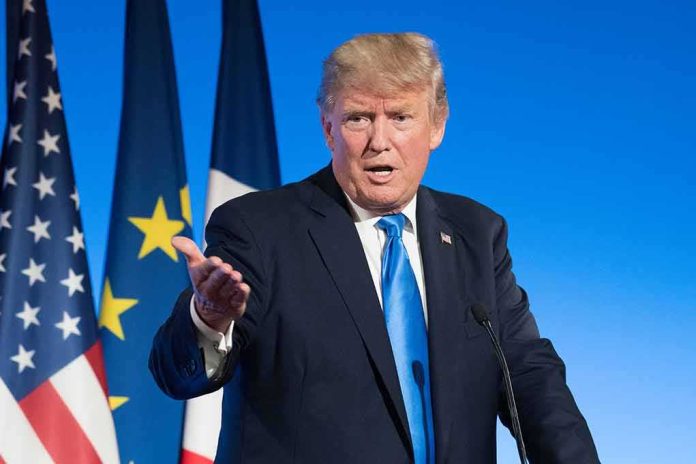
President Trump said the United States opposes any “globalist regulation” of superintelligence, warning that heavy international controls would stifle innovation. He made the remarks at an Asia-Pacific event in China, drawing a hard line against binding global rules. The message matches the administration’s push to keep policy national, fast, and industry-focused. The stance signals a sharper split with efforts to build worldwide, treaty-like AI oversight backed by some academics and international bodies.
The administration has already moved policy to match the rhetoric. Executive Order 14179, issued in January 2025, revoked earlier directives seen as barriers to United States innovation and told agencies to clear red tape for developers. A July 2025 order pressed the export of the “American AI technology stack,” aiming to seed United States tools and standards with allies while shaping markets in Washington’s image. These steps define regulation as a domestic job and a competitiveness play, not a United Nations mandate.
The Competing Push For Global Rules
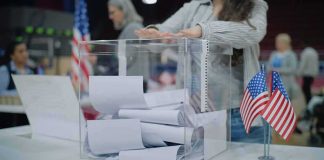
Global advocates argue that national policy alone cannot handle cross-border risks. A United Nations advisory body proposed a Global AI Governance Framework to align rules and protect democratic processes from manipulation and disinformation. The report urges shared standards so countries can coordinate and enforce guardrails together. Legal scholars and policy voices echo this, saying international rules can set “red lines,” create common testing, and give smaller nations a voice in how frontier models are built and used.
Supporters of global coordination warn that powerful systems can spread harm across borders in minutes. They argue that countries acting alone risk a race to the bottom or a patchwork of weak rules. They also say clear, interoperable standards can help honest firms compete while stopping reckless actors. Still, many efforts so far are voluntary or nonbinding, which limits enforcement strength. That gap fuels calls for a firmer, universal approach organized in a broad, inclusive setting.
The U.S. Strategy: Compete, Align, But Do Not Bind
White House documents lay out a middle path: lead globally by exporting American technology and pressing allies to mirror United States controls, but avoid ceding authority to a world regulator. The administration’s AI action plan backs strict export limits on sensitive chips and models, and urges partners not to “backfill” those gaps. It even points to trade tools to push alignment when needed. This is cooperation on American terms, with Washington setting the pace and scope.
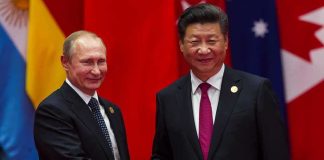
Trump, Xi Jinping & Putin: First Trilateral Meeting LIVE | APEC Summit 2026, Shenzhen
At APEC Summit 2026 in Shenzhen, the leaders of the world's three largest nuclear powers are meeting in the same room for the first time. We're covering it live — and we're covering the…
— Arslan Akbar (@iarslanakbar) November 19, 2026
Congressional Republicans largely support this approach, tying it to jobs, security, and energy needs at home. Many Democrats agree on the threats from deepfakes and election interference, but several back stronger international guardrails. Across parties, voters see a system that often serves insiders. Some fear global deals could empower unaccountable elites. Others fear national-only rules will invite corporate capture or a dangerous arms race. Both concerns have roots in today’s fast, opaque policy process.
What To Watch Next
Watch for whether partners adopt United States export and safety norms without a formal treaty. Track if the United Nations process gains real teeth or remains advisory. Look for federal bills that set testing, disclosure, and model safety rules while preempting a maze of different state laws, as urged by a White House fact sheet in late 2025. The core test is simple: can America protect people and elections while staying first in the race to build smarter machines?
Sources:
whitehouse.gov, federalregister.gov, buffett.northwestern.edu, csis.org, justsecuritypodcast.buzzsprout.com