The fight over whether the Pentagon hid dozens of war injuries in Jordan is forcing Americans to ask who is really telling the truth about the human cost of the Iran conflict.
Story Snapshot
- The New York Times reports three undisclosed Iranian strikes in Jordan injured dozens of U.S. troops and damaged helicopters before a deadly base attack.
- Pentagon officials deny any concealment and say casualty data is available, but they are not required to report every injury, especially if troops quickly return to duty.
- The dispute highlights a larger pattern where war injury numbers can be technically accurate yet still leave families and voters feeling misled.
- Both sides agree more than 400 Americans have been hurt in the Iran war, but key details about when, where, and how remain murky.
What The New York Times Says Happened In Jordan
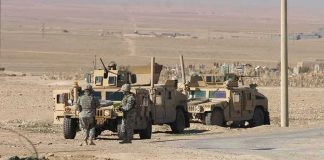
The New York Times reports that, in the week before a January 17 missile and drone strike on a U.S. base in Jordan, Iran carried out three other attacks on U.S. forces in the country that the Pentagon never publicly announced. According to unnamed U.S. officials quoted by the Times, those earlier strikes injured dozens of American service members and damaged several military helicopters stationed in Jordan. Secondary coverage says the attacks hit bases linked to Muwaffaq Salti Air Base and other positions over several days.
Reports based on the Times story say U.S. Central Command issued statements that week about American airstrikes on Iranian military sites, but framed them as retaliation for attacks on commercial ships, not for the Iranian strikes on U.S. bases. A U.S. military official told the paper that Central Command is not required to release information about injured service members, especially when they are quickly treated and return to duty. That policy detail matters, because it means “no public announcement” does not automatically equal “no record” or “no official count.”
How The Pentagon And Trump Administration Are Pushing Back
Pentagon spokesperson Sean Parnell has strongly rejected the idea that the military hid or misreported casualties from the Iran conflict. In statements summarized by multiple outlets, he directed the public to the Defense Casualty Analysis System, saying that verified data on deaths and injuries is available there and that the Pentagon has not withheld information. He also blasted the Times report as “baseless” and “malicious,” accusing it of cherry-picking raw numbers without explaining what kinds of injuries are counted and how.
Coverage of the Pentagon’s response notes that Central Command did publicly report deaths and some injuries from the January 17 attack itself, including several service members evacuated to hospitals and later discharged. Officials further told reporters that they are not legally required to disclose every injury, especially minor ones where troops return to duty quickly, and they argued that hiding detailed location or timing data helps prevent Iran from fine-tuning future attacks. That explanation leans on national security rules and Freedom of Information Act exemptions for sensitive operational information.
The Numbers Everyone Agrees On — And What They Leave Out
Despite the dispute, both sides point to a similar big picture number: more than 400 American service members injured since the Iran conflict began. The Pentagon’s own casualty website lists 427 injured personnel, a figure that may already include some or all of the “dozens” allegedly hurt in the undisclosed Jordan strikes. News outlets tracking the war note that many of these injuries are traumatic brain injuries from drones and missiles, even when troops later returned to duty.
Pentagon Withheld Dozens of U.S. Military Injuries in Iran War
On social media, the Pentagon said on Monday that the number of U.S. military casualties from Iranian attacks since July 7 had risen to nearly 100.— George Leroy Tirebiter (@GeorgeLerofim) July 20, 2026
Past reporting shows this kind of gap between headline numbers and fuller injury counts is not new. A CBS News investigation during the Iraq and Afghanistan wars found that public “wounded” figures often counted only combat injuries, while including non-combat injuries more than doubled the total. That older example helps explain why many families and citizens now worry that technically correct statistics can still leave out stories that matter — especially when decisions about what to share are made inside the same Pentagon offices that later defend those choices.
Why This Fight Over Transparency Resonates Far Beyond Jordan
This clash between anonymous officials and Pentagon spokespeople hits at a deeper frustration many Americans share, across party lines, about trust in the federal government. For conservatives who already distrust “deep state” bureaucracies and media elites, the idea that unnamed insiders say injuries were quietly kept off press releases feeds long-standing fears of a distant, self-protecting war machine. For liberals worried about human costs and growing inequality, the sense that ordinary troops’ wounds can be downplayed for political messaging feels like another example of powerful institutions dodging accountability.
At the same time, the evidence on each side has clear limits. The Times relies on unnamed officials without documents the public can see, while the Pentagon offers policy arguments and a high-level casualty total but no detailed logs tying specific Jordan injuries to the 427 figure. That leaves regular Americans in a familiar bind: they are asked to “trust the system” or “trust anonymous sources” instead of seeing hard records themselves. In a government already viewed by many as serving elites first, that lack of concrete transparency is exactly what keeps the anger burning.
Sources:
feedpress.me, facebook.com, nytimes.com, youtube.com, forbes.com, timesofindia.indiatimes.com, pogo.org, cbsnews.com