
On an unannounced trip to Caracas, Defense Secretary Pete Hegseth said the United States signed a deal to restart military ties with Venezuela, less than a year after U.S. forces flew Nicolás Maduro to New York to face drug charges.
Story Snapshot
- U.S. and Venezuela signed a military cooperation deal covering training, intelligence, and equipment.
- Reporting says U.S. forces captured Nicolás Maduro in January and brought him to the United States for prosecution.
- Cooperation resumes after a break that began in 2005, according to multiple outlets.
- Key terms of the agreement remain undisclosed, raising legal and oversight questions.
What Hegseth Announced in Caracas
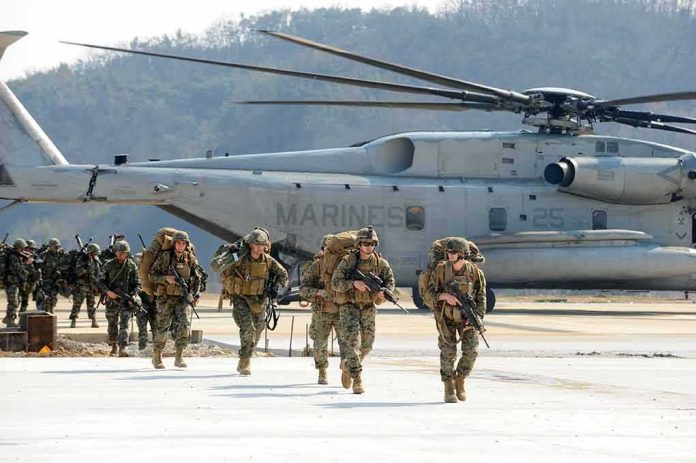
Defense Secretary Pete Hegseth said the United States and Venezuela signed an agreement to reestablish military cooperation. He described joint training, intelligence sharing, and added equipment support as the core features. He called the shift “historic” and said Venezuela is now a security partner. He disclosed few details, such as the text, duration, funding, or limits on access. That lack of detail leaves many basic questions open for Congress and the public.
Associated reporting echoed the same topline: the two militaries would train together, share intelligence, and deepen ties. The announcement came during an unannounced visit to interim leaders in Caracas. The move signals a fast turn from hostility to cooperation. It also raises concerns about who approved the deal and under what authority it will operate inside Venezuela and across U.S. agencies that must carry it out.
The Maduro Capture That Set the Stage
News outlets reported that U.S. forces seized then-President Nicolás Maduro in Caracas on January 3, 2026, and flew him to New York to face drug-trafficking charges. Court coverage described Maduro stating, through an interpreter, “I was captured,” during an appearance tied to those charges. These details shaped how Hegseth framed Venezuela’s shift from a regional threat to a partner. They also explain how interim leaders came to host him in Caracas this week.
Those same reports did not include a public Pentagon timeline, casualty report, or a released mission log. The core fact pattern—Maduro’s capture and transfer for prosecution—has been widely reported. But specific operational claims, like exact duration or force composition, are not supported by disclosed records. That documentation gap does not erase the core events. It does invite lawmakers and watchdogs to seek confirmation of key details through formal channels.
Why the Deal Matters for Americans
The cooperation deal breaks a twenty-one-year freeze that began in 2005, according to multiple outlets tracking defense ties. Restored links could target drug networks and foreign meddling near U.S. shores. They might also speed oil sector recovery if security improves. Yet secrecy around the terms risks sidelining voters and their representatives. Many Americans already feel shut out when major security and economic choices are made without clear debate or guardrails.
Skeptics across the spectrum worry about mission creep, oil politics, and the rule of law. Experts have warned that regime-change missions often miss long-term goals and can fuel instability. That history puts pressure on the administration to publish the agreement, define limits, and report results that matter to families here at home: less fentanyl on streets, steadier energy prices, and no open-ended commitments that drain resources with little public say.
What We Still Do Not Know
Key facts remain withheld. The public has not seen the signed agreement or any implementing annexes. The government has not outlined oversight, exit conditions, or the status of forces. The administration has not released records that lock in the January operation’s timeline and any casualty data. These gaps do not erase the reported events, but they do block full accountability. Congress can compel answers so citizens know the risks, costs, and aims.
Bottom Line for a Distrustful Public
Hegseth’s surprise visit and the signed deal mark a real shift in policy. The reported capture of Maduro explains how that shift became possible. But secrecy around terms and authorities repeats a pattern many Americans distrust. Publishing the agreement, briefing Congress, and setting measurable goals would respect the public and the Constitution. Clear facts and limits, not slogans, are how leaders prove this turn serves the people rather than the powerful.
Sources:
youtube.com, usnews.com, wrtv.com, whio.com, efe.com, lasvegassun.com