

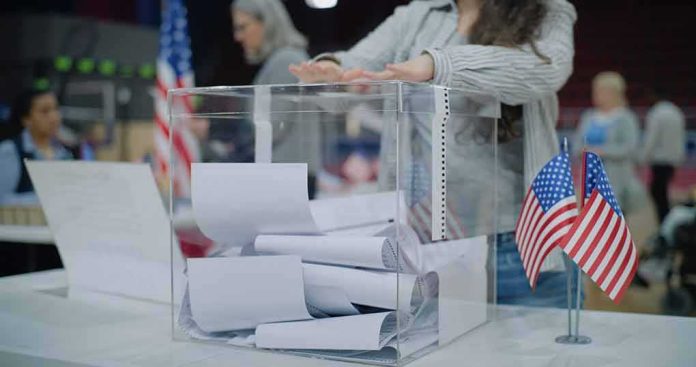
Democrat Mary Peltola unseated Republican Sen. Dan Sullivan in Alaska, flipping a longtime GOP seat in a state President Trump won handily.
Story Snapshot
- Official returns show Peltola ahead of Sullivan by more than 11,000 votes.
- The Associated Press and major outlets projected a Democratic flip of Alaska’s Senate seat.
- The race featured confusion over two candidates named Dan Sullivan and ranked-choice rules.
- Alaska’s top court previously upheld ranked-choice voting used in statewide races.
What The Vote Count Shows
Alaska’s official election summary lists Mary Peltola with 141,637 votes, or 49.98 percent, and Sen. Dan S. Sullivan with 130,162 votes, or 45.93 percent. That puts Peltola up by 11,475 votes, with a total of 283,377 ballots recorded in the race. National outlets reported that Peltola defeated Sullivan, projecting a flip that adds another Democratic seat in a year of close contests. State officials continue standard post-election steps, including final tabulations required under Alaska law.
Alaska uses an open primary and ranked-choice voting in general elections, a system the Alaska Supreme Court upheld in 2022. Voters can rank candidates, and if no one clears a majority on first choices, lower-ranked choices are redistributed until someone passes 50 percent. This method can slow results but aims to ensure the winner has majority support. That process shaped recent Alaska races and framed expectations for this Senate count.
The “Two Dan Sullivans” Confusion
The ballot listed both incumbent Sen. Dan S. Sullivan and a different candidate, Daniel J. Sullivan Jr. Fact-checkers and election analysts explained how identical or similar names can cause voter confusion, especially under Alaska’s rotating ballot order that changes placement across precincts. The attention on this wrinkle sparked fresh debate over ballot design and voter education. Officials say rotation promotes fairness, yet it can still test voters under crowded or complex ballots.
The Justice Department, according to civil liberties reporting, sought to block certification if Sullivan lost and to require an investigation into potential confusion. A judge later rejected the administration’s effort, emphasizing states’ authority to run elections and set certification timelines. The ruling underscored a basic guardrail: federal power is limited when states follow their election laws. That boundary matters in close races where pressure can rise fast.
Why This Flip Matters Beyond Alaska
Democrats gaining a Senate seat in a state President Trump carried shows how cross-pressures now shape politics. Alaska’s oil economy, high shipping and energy costs, and vast rural communities often lean conservative. Yet voters have also backed pragmatists who promise local results. Peltola’s earlier win in the 2022 House special election hinted at this pattern under ranked-choice rules, where broader appeal can matter more than a hard base.
ALASKA FLIPPED. Mary Peltola just delivered Democrats their 56th Senate seat.@realDonaldTrump, the convicted felon, and his minions in Congress just got a FINAL and resounding rejection at the ballot box.
THE PEOPLE HAVE SPOKEN. Your Senate and Congress majority is DONE… pic.twitter.com/NC9W27ily9
— Cesar A. Beltran (@cbeltran17) November 18, 2026
For many Americans, this fight touches deeper worries about how elections are run and who holds power. Some conservatives say ranked-choice voting dilutes clear wins. Some liberals argue it rewards coalition builders. Both camps share a core concern: leaders appear to game rules rather than solve problems like high prices, health costs, crime, and broken infrastructure. Alaska’s ruling against federal interference signals that, at least here, process followed the law while voters set the outcome.
What Comes Next In Juneau And Washington
Certification steps, any recount windows, and potential court filings will play out under Alaska statutes and deadlines. If the ranked-choice redistribution is needed to finalize a majority, officials will conduct it publicly and report the final tally. In Washington, a Peltola win could shift committee math and reshape priorities on fisheries, Native affairs, and Arctic policy. Energy debates loom large, from oil projects to shipping and mineral supply chains vital to national security and jobs.
Sources:
youtube.com, factcheck.org, elections.alaska.gov, alaskapublic.org, dispatch.com, alr.law.duke.edu, berkeleypoliticalreview.org, wmur.com, pbs.org