

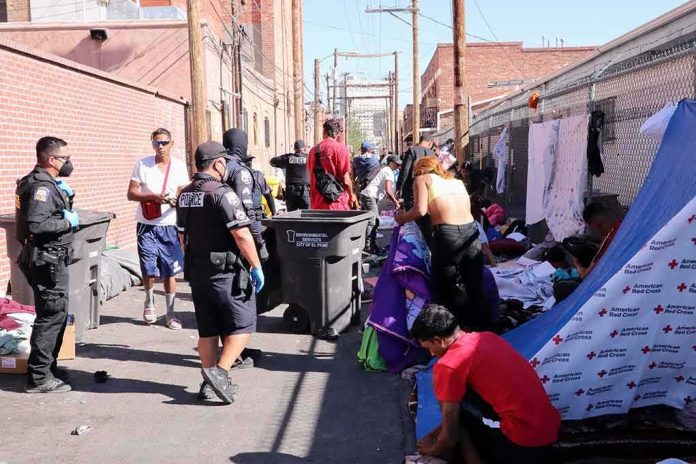
Los Angeles cleared a sprawling freeway encampment and reported 25-plus arrests while rescuing dogs, cats, and even chickens.
Story Snapshot
- Councilwoman Imelda Padilla said police arrested more than 25 people during the sweep.
- Animal Services removed dogs, cats, and chickens from the encampment area, officials said.
- Animal advocates had warned of alleged puppy sales and disease, but some claims were unverified.
- The crackdown reflects California’s broader push to resolve encampments with coordinated operations.
What Officials Did And Why It Matters
City crews and police cleared an encampment under a freeway in the Sun Valley–Arleta area on October 29. Councilwoman Imelda Padilla said officers arrested more than 25 people. She also said Animal Services rescued multiple animals, including dogs, cats, and chickens. Officials framed the action as a public safety and animal welfare response. The scale of arrests and animal rescues shows a forceful approach that blends policing with service teams in a single operation.
Local television coverage showed animals being removed from the site as crews cleaned tons of debris. Reporters highlighted concerns about breeding and sales of puppies near the overpass. Advocates had flagged these issues before the sweep. They also described sick animals and poor sanitation. Some of those claims, including alleged sales and disease, were not independently confirmed in the reporting. Still, images of rescued pets and cages made welfare concerns hard to ignore.
What Advocates Say Was Missed Or Mishandled
Animal advocates argued the city moved too slowly. One advocate said officials should have acted sooner and criticized an early Animal Services visit that did not stop suspected breeding. Advocates also said not every person at the site was an abuser; they framed the area as unsafe for people and animals alike. They sought action that balanced rescue, health, and humane treatment, while noting some reports remained unverified in public records.
These concerns reflect a larger tension seen across cities. People want cleaner, safer streets. They also want fair treatment for the unhoused and their pets. Research shows pets can be central to the well-being of people living outside. That bond can make people avoid shelters that reject animals. Policy must weigh enforcement against humane options that keep people and pets together when possible and safe.
How This Fits A Statewide Shift On Encampments
California’s State Action for Facilitation on Encampments Task Force pushes coordinated cleanups that link removals to shelter and care. State leaders say this “whole-of-government” model protects safety while offering services. Los Angeles County runs related programs that pair outreach with encampment resolution. The Sun Valley–Arleta sweep tracks with this model, where police, sanitation, and animal teams act together and promise services, then clear the site for traffic safety and public health.
"A sprawling homeless encampment beneath a Los Angeles freeway became the target of a major crackdown this week, with more than 25 people arrested and dogs, cats and chickens rescued after furious animal advocates exposed the troubled area."https://t.co/UwmABFhrOa
— bluoz (@auweia1) October 30, 2026
The national debate has shifted since the Supreme Court’s 2024 Grants Pass ruling, which let cities enforce anti-camping rules even when shelter beds are short. That legal change encouraged more clearances and set pressure on local leaders to “show results.” Some analysts warn that fast removals can scatter people and risks if not matched with stable options. The stakes are high for roads, neighborhoods, and those trying to climb back to stability.
The Shared Concerns Underneath The Headlines
Residents see tents, trash, and open-air cruelty to animals and wonder why government cannot keep basic order. People living outside see seizures, arrests, and lost pets and wonder why systems ignore root causes. Both sides feel the system reacts late, then swings hard. Trust erodes when leaders promise care but deliver little housing, few treatment beds, and limited pet-friendly shelter. Clear goals, timelines, and transparent outcomes could rebuild trust across this divide.
Sources:
nypost.com, cbsnews.com, foxla.com, laist.com, homeless.lacounty.gov, impact.bham.ac.uk, cambridge.org, gov.ca.gov, planning.lacity.gov