
Los Angeles County officials told a federal court they cannot independently verify a voter’s citizenship beyond what the person declares on the registration form, even as the Justice Department flagged more than 20,000 suspected noncitizens statewide and asked to hold their ballots.
Story Highlights
- Justice Department asked California to set aside mail ballots tied to over 20,000 suspected noncitizens until status checks are done.
- Los Angeles County said it lacks an independent, rapid way to confirm citizenship beyond registrant attestation.
- Data delivery on a password-protected thumb drive sparked a process dispute and stalled review.
- Federal prosecutors charged 28 people in related voting cases, showing real but limited instances.
What The Federal Lawsuit Asks Election Officials To Do
The United States Department of Justice filed suit on October 15, 2026, seeking a court order to hold or segregate mail ballots tied to more than 20,000 registrants it labeled likely noncitizens, pending verification. Acting Deputy Attorney General Trent McCotter framed the request as “segregate, not cancel.” The department said it delivered names, birth dates, and addresses on October 13 to Los Angeles County’s Registrar-Recorder to prompt checks before counting.
Federal prosecutors also announced criminal charges against 28 people for alleged unlawful registration, false citizenship claims, or illegal voting. These cases, including one involving a Belizean legal resident accused of voting in multiple elections, do not prove large numbers but do show the risk is not zero. The mix of a large flagged list and a small set of charges puts pressure on systems that must be fast and accurate at the same time.
Why Los Angeles County Pushed Back On The List
Los Angeles County Registrar-Recorder Dean Logan said the federal thumb drive referenced people across California, not just Los Angeles County, and lacked the evidence and methodology needed to act. He said ballots cannot be withheld on unverified claims and that removals must rely on verifiable information, not uncertain database matches. The county’s stance centers on due process and the danger of mislabeling eligible citizens based on incomplete or outdated data.
California Secretary of State Shirley Weber questioned earlier, much larger federal estimates and said state law already limits registration to citizens and removes ineligible records. The shift from claims near 190,000 to about 20,000, without public method details, undercuts confidence in the screening process. State officials argue that protecting eligible voters from false matches is as important as removing ineligible ones, especially close to an election.
The Process Gap: Fast Elections, Slow Verification
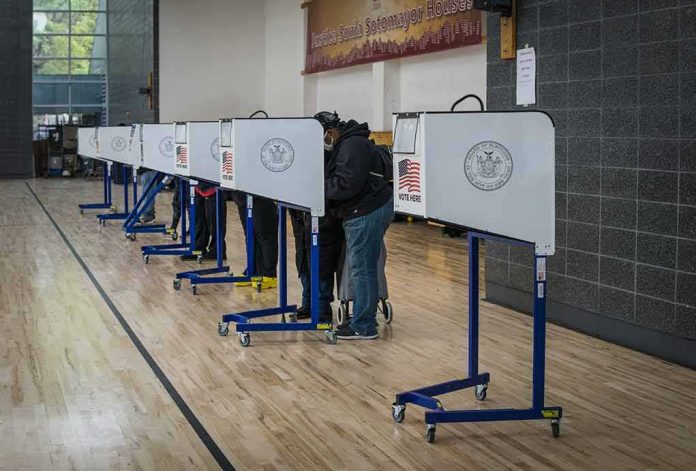
The fight exposes an old weakness in election administration: registrants attest to citizenship, but local offices may lack a direct, independent pipeline to verify status quickly before counting. The Justice Department wants speed and segregation; counties want evidence and clear authority. When agencies trade secure media and refuse to open it, the dispute shifts from facts to format, and voters get left in the dark about what is actually being checked.
Los Angeles County's registrar just told a federal court the county has nothing beyond a voter's own word to prove citizenship.
California Admits in Federal Court: We Have No Way to Verify Voter Citizenship Beyond What the Voter Claimshttps://t.co/kY6BkfhZwF#ElectionIntegrity…
— Profilo politics (@profilopolitics) October 21, 2026
Research on past claims warns that broad database matching can misfire, especially with common names, naturalizations not yet updated, and stale records. Errors can lead to eligible citizens being flagged and deterred from voting. Courts and experts have urged careful, person-by-person checks rather than blanket holds or removals. That tension—speed versus certainty—is hardest to manage in the days before ballots are counted.
What This Means For Trust On The Left And Right
Conservatives see a federal list and criminal cases as proof the system invites abuse. Liberals see an eleventh-hour lawsuit and arrests as intimidation that chills turnout. Both sides, though, can agree on the core failure: government systems still cannot quickly prove who is eligible before counting, and that gap fuels suspicion. Clear rules, auditable methods, and transparent, privacy-safe verification could reduce fear without silencing lawful voters. Until then, trust keeps eroding.
Sources:
twitchy.com, usatoday.com, edition.cnn.com, dailynews.com, latimes.com, ctpublic.org, straitstimes.com