A child sat in a car as an immigration officer fired multiple shots during a Bronx arrest, and New York erupted.
Story Highlights
- Homeland Security confirmed an Immigration and Customs Enforcement officer fired his gun during a Bronx arrest operation.
- Reports say a 5-year-old child was in the vehicle; the child was not physically hurt.
- Protesters clashed with police outside the hospital and at the scene; arrests followed.
- Officials say the target had a criminal record; investigators have not released body camera or dashcam footage.
What Happened During the Bronx ICE Operation
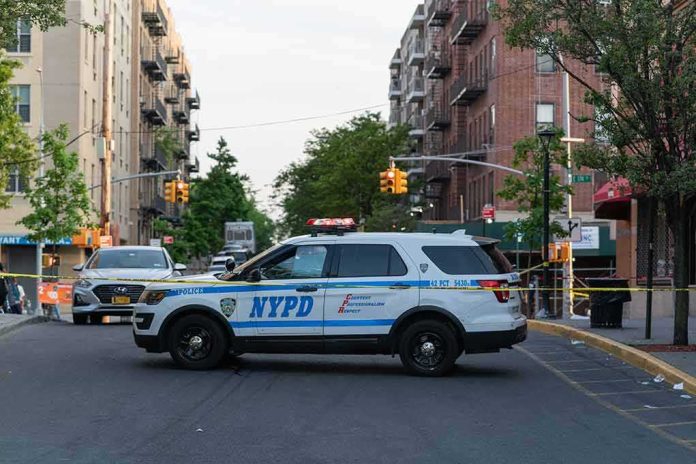
On October 8 in the Marble Hill area of the Bronx, federal immigration officers tried to arrest a man during what they called a targeted enforcement operation. The Department of Homeland Security said one officer discharged his weapon, and the man was wounded and taken to a hospital. Officials said agents gave aid at the scene and that the incident is under investigation. New York City police said they were not involved and were not on scene when the shots were fired.
Mayor Zohran Mamdani said early reports showed Immigration and Customs Enforcement agents surrounded a car that held the man and a 5-year-old child before several rounds were fired. Multiple outlets reported that a child was in the vehicle and was not physically injured. A nearby worker reported hearing three or four shots and saw officers wearing face masks and vests marked with Department of Homeland Security. Officials have not released video from body cameras or dashcams.
Why Anger Spilled Into the Streets
Protests formed quickly at the scene and outside the hospital treating the wounded man. Demonstrators blocked vehicles and clashed with police, leading to arrests as officers set up barricades. Local officials and activists demanded answers about why live rounds were used near a child and called for transparency about the operation’s planning and use of force. The fast protests show a familiar pattern: immigration arrests in public places often trigger tense stand-offs before full facts are known.
This event taps shared worries across the political spectrum. Many Americans see a government that acts first and explains later. Supporters of tough enforcement want safe, lawful arrests without needless risk to bystanders. Civil liberties advocates want clear rules, independent review, and footage to check official accounts. Both sides ask why crucial evidence, like video and radio logs, is not posted quickly in high-stakes cases. Delays fuel doubt and make it easier for spin to beat facts.
What Officials Say About the Target and Tactics
Homeland Security described the man as a citizen of the Dominican Republic with a prior conviction for grand larceny and past arrests for assault, robbery, drugs, and weapons. The agency said agents rendered aid after the shooting and that federal investigators are reviewing what happened. New York City police said they found men in mixed attire, including face coverings and at least one long gun, when they arrived after the shooting, which matched some witness descriptions of the scene.
Key questions remain. Authorities have not said what immediate threat led the officer to fire, whether the vehicle moved, whether the man showed a weapon, or how many shots were fired. Officials have not released body-worn camera footage, surveillance video, or detailed radio traffic. Without these materials, the public cannot judge whether force rules were followed or whether safer options existed near a child in a confined space.
Why This Case Matters Beyond New York
Recent reporting shows more force incidents tied to immigration enforcement in American cities, often during fast-moving arrests that draw crowds. Analysts say these settings raise the odds of confusion, split-second choices, and clashing stories about necessity and restraint. A national review reported frequent use or threat of force in these operations, which keeps pressure on leaders to set clearer limits and to release evidence faster after critical incidents.
UPDATE: Protesters scuffle with police at the ongoing NYC demonstration over the ICE shooting in the Bronx.
Protest continues following Tuesday's shooting during an arrest with a child in the car.
— AP https://t.co/hbBXW9E3QH pic.twitter.com/EghEPgZAUo
— EzeNews (@EzeBets) October 9, 2026
Public trust hinges on sunlight and standards that do not bend to politics. People who back strict border control still want disciplined, well-documented arrests. People who fear abuse by federal agents still need to see swift, neutral reviews when shots are fired. In this Bronx case, releasing video, radio logs, and a timeline would help answer core questions and prevent yet another vacuum filled by outrage, doubt, and partisan talking points.
Sources:
youtube.com, nytimes.com, yahoo.com, edition.cnn.com, bronx.news12.com, katv.com, aljazeera.com