Days before Barack Obama rallies in Detroit, resurfaced videos show Abdul El-Sayed blasting Obama’s record on war, deportations, and Wall Street—turning a unity event into a loyalty test backed by El-Sayed’s own words.
Story Highlights
- Resurfaced clips and posts show years of El-Sayed’s sharp policy critiques of Obama.
- Obama is set to campaign with El-Sayed in Detroit on October 24, per party plans.
- El-Sayed says these were policy disagreements and that Obama inspired him; he wants Obama’s help to unite Democrats.
- Both parties now press the trust issue as voters tire of political spin and insider games.
What resurfaced and why it matters now
CNN’s KFile published video and posts that show Abdul El-Sayed, now the Democratic nominee for United States Senate in Michigan, criticized Barack Obama for continuing war, record deportations, and policies that he argued favored corporations. He also wrote after 2012 that Obama fell short of his hope-and-change promise. Vox earlier quoted El-Sayed listing areas where he thought Obama was not strong enough, including health care and big banks. These receipts now frame his rally with Obama.
Democrats scheduled Obama to campaign with El-Sayed in Detroit on October 24, aiming to energize turnout and mend primary rifts. The campaign needs a united base in a tight race, and Obama remains a draw with many Democrats. That same draw raises the stakes of the resurfaced attacks. Opponents can now argue El-Sayed is shifting for votes, while supporters can say honest debate beats blind loyalty. Voters will decide which frame feels real.
How El-Sayed explains the past critiques
El-Sayed says his comments targeted policy, not Obama as a person. He says Obama inspired him, and he welcomes his help on the trail. His campaign posted language praising Obama’s health care push and his wins in Michigan, casting the former president as a model public servant. He also said he spoke with Obama after the primary and hopes to campaign together to bring Democrats back together. The message: debate is fine; disrespect is not.
WION’s summary tracks that balance. El-Sayed said he could disagree with many of Obama’s choices while viewing Obama as competent and committed. He also described Obama’s politics as more centrist than his own. That line may calm moderates while keeping progressives on board. But it also highlights a gap that Republicans will use to question trust and consistency during the final stretch.
Why both parties see an opening
Republicans see a pattern they can explain in one line: he went hard at Obama, and now he needs him. That attack fits a broader voter gripe that politicians shape-shift to win. The Washington Examiner framed El-Sayed as part of a wider progressive break from the Obama era, citing years of posts arguing the country was not better off under Obama and that he was not the right choice. Short quotes from past remarks make simple ads, which often beat long policy explainers.
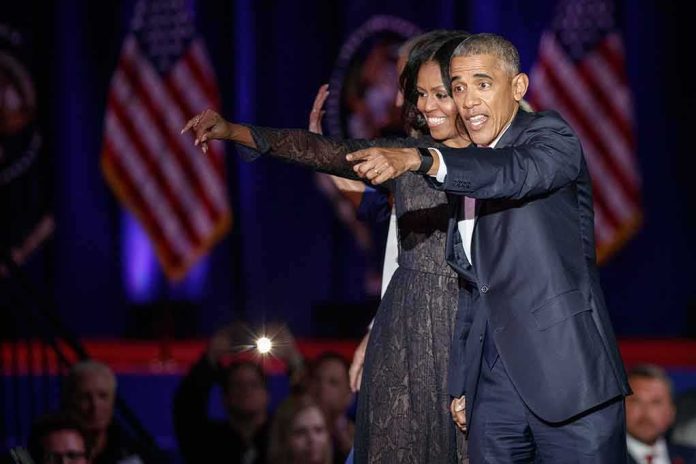
Democrats see a different play. They want to show a big tent that allows dissent but locks arms to beat Republicans in November. PBS reported El-Sayed said the primary “aired our differences,” but their shared goals are larger. He called his talk with Obama “warm” and “inviting.” The visual of Obama and El-Sayed together could reassure skeptical voters that the party is focused on outcomes, not old fights, heading into the last weeks.
What this reveals about trust in politics
This clash taps a deeper frustration on both left and right: leaders say what works for them now and hope we forget yesterday. Many Americans feel the political class protects itself first. Resurfaced clips matter because they let voters judge the record without a filter. That is healthy when it tests integrity, but it can also punish real debate. The line between honest evolution and convenient reversal is thin, and the pressure to blur it is strong.
Former President Obama is set to hit the campaign trail with Michigan Democratic Senate nominee Abdul El-Sayed — yet @KFILE found El-Sayed had spent years blasting Obama over deportations, civil liberties and war. pic.twitter.com/XgqhHQmuiW
— John (@Jongweongs) October 8, 2026
For Michigan voters, two things can be true. Obama’s visit is a major help to El-Sayed’s turnout push. The old quotes are also real and sharp. The question is whether El-Sayed has a clear, stable core that matches what he is saying now. If he explains the “why” behind his past critiques and the “how” of what he would do next, he can turn a hit into a case for independence. If not, expect the loyalty test to define the closing argument.
Sources:
twitchy.com, cnn.com, nbcnews.com, politico.com, jpost.com, wionews.com, abdulforsenate.com