Morocco’s justice minister publicly pressed Spain to discuss a “definitive solution” for Ceuta and Melilla after mass crossings last month, and Madrid answered with a categorical no.
Story Snapshot
- Morocco restated claims over Spain’s North African cities and sought formal talks.
- Spain rejected any discussion and affirmed full sovereignty over the enclaves.
- Moroccan state messaging still calls the cities “occupied,” keeping tensions high.
- Border surges and security pressure tie the dispute to migration and trade.
What Morocco Said And Why It Matters
Morocco’s justice minister, Abdellatif Ouahbi, said in August that Rabat wants a bilateral mechanism with Spain to address Ceuta and Melilla and reach a “definitive solution.” Reports say this restated Morocco’s claim of sovereignty and framed the enclaves as an open question for talks. The move pushed the issue from background posture to on-record policy at ministerial level. That raised regional stakes because any hint of change touches European Union borders and trade routes.
Moroccan state narratives have long called the cities “occupied,” signaling a standing claim that predates this month’s push. Press coverage describes a pattern of pressure on cross-border flows, customs, and local economies that tracks with political tension. The language matters because it sets a tone for domestic audiences and limits room to compromise. It also invites a firmer Spanish reply and draws outside attention from allies who favor border stability.
How Spain Responded And What It Signals
Spain’s Foreign Ministry rejected talks outright and said Ceuta and Melilla are Spanish cities, part of Spain’s territorial integrity, and part of the European Union. Officials stressed the status is “not up for discussion,” and said Spain’s territorial integrity “has not been, and will never be, discussed with anyone.” This was a bright-line message meant to deter further probing. It also anchored Madrid’s stance in international recognition and European law.
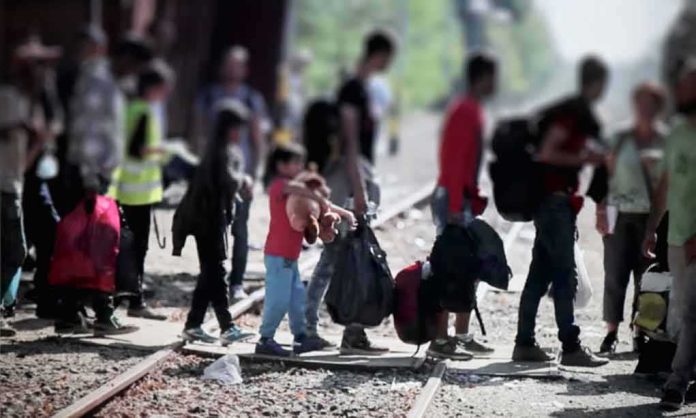
Madrid’s firm response followed deadly mass crossings and a surge that Spain called a violation of its sovereignty. Spain also moved to speed repatriations with Moroccan cooperation after the spike. The timeline shows how border pressure and sovereignty claims feed each other. Security stress makes political space smaller on both sides. That cycle often leads to more fencing, tougher checks, and short-term fixes that still leave the core dispute frozen in place.
The Bigger Picture: A Frozen Dispute With Real-World Costs
Academic and border research list Ceuta and Melilla as a long-running sovereignty contest in which Morocco challenges Spain’s title and invokes decolonization ideas. Spain counters that the cities have been Spanish for centuries and are not on any United Nations decolonization list. These arguments rarely move the status, but they shape daily life at the fence. Trade rules, worker permits, and police tactics often become the real battlefield for leverage.
The Trump administration suggests that Spain should give up its enclaves Ceuta and Melilla.
Is little Marco, the son of Cuban immigrants, willing to hand over Guantanamo Bay ("Gitmo")?#ceuta #melilla #spain #morocco #invasion #marcorubio #rubio #guantanamobay #guantanamo #gitmo pic.twitter.com/JnDa3p0viK— Ivo Vynckier (@ivovynckier) August 25, 2026
For Americans watching energy prices, migration shocks, and defense budgets, the lesson is familiar. When governments dodge root causes, border crises grow and regular people pay. Conservatives see another test of national borders and sovereignty. Liberals see human costs and rising inequality around hard borders. Both can see elites managing headlines while systems creak. Clear goals, steady law enforcement, humane processing, and honest diplomacy beat press releases every time—on both sides of the Strait.
Key Limits In The Record
The current materials rely on minister-level remarks, press reporting, and border summaries. They show Morocco’s claim exists and Spain’s rejection is firm. They do not include treaty text, a court ruling, or a new United Nations action that changes legal status. A 2022 Moroccan letter disputed the idea of a land border with Spain, but later messaging has been inconsistent about borders, which clouds Rabat’s formal line. Readers should separate claims from title.
What To Watch Next
Watch for any formal diplomatic notes, new trade or customs moves, or changes to crossing rules. Track European Union statements, since the cities are European Union territory under Spain’s view. Follow whether Morocco links migration cooperation to broader talks, which would raise pressure without a legal shift. If the parties build a joint working group on everyday border issues, that could cool things. If not, expect more sharp words and another cycle of surges and crackdowns.
Sources:
twitchy.com, lemonde.fr, euronews.com, papers.ssrn.com, durham.ac.uk, arabnews.com, apnews.com