The Justice Department quietly expanded political leeway for its top appointees, and the attorney general is already using it on the campaign trail.
Story Snapshot
- An October memo lets Senate-confirmed appointees speak at rallies and serve in party roles when acting personally.
- The guidance marks a shift from tighter limits under Attorney General Merrick Garland in 2022.
- Attorney General Todd Blanche spoke at a GOP convention and joined a Senate campaign rally, with DOJ saying ethics cleared them.
- Critics say this erodes DOJ’s nonpartisan norm even if it is legal under the Hatch Act.
What Changed In DOJ’s Political-Activity Rules
Assistant Attorney General Jolene Ann Laurie issued an October 2026 memo that broadened what presidentially appointed, Senate-confirmed officials can do in politics. The guidance says these officials, including the attorney general, may speak at partisan events, canvass, and serve as party officers when acting in a personal capacity. The Department said the update clarifies an existing exception in the Hatch Act for these positions and adds a warning for extra care near elections.
The memo keeps guardrails. It directs officials to seek ethics review for appearances with candidates, and stresses that events close to elections need heightened scrutiny. The Department said the goal was clarity, not a free pass. It framed the change as aligning with long-standing law that treats Senate-confirmed appointees differently from most federal workers. That legal lane exists, but it depends on not using official resources or authority to influence an election.
How The New Guidance Is Playing Out
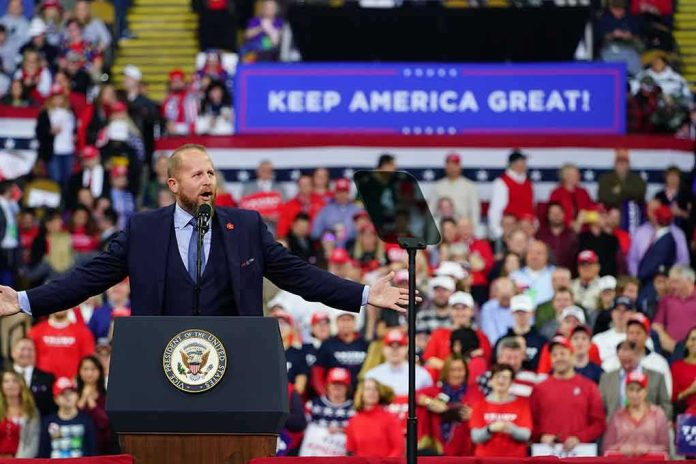
Attorney General Todd Blanche tested the policy in public view. Reporting shows he addressed the Republican midterm convention in September and attended a campaign rally for a North Carolina Republican Senate candidate. The Justice Department said these were personal-capacity appearances, not official business, and that ethics officials reviewed and cleared them. The Department also said Blanche did not do fundraising and spoke in broad terms about the administration’s efforts.
Blanche has defended his actions as lawful and within the memo’s bounds. He said he is not violating any rule or law, pointing again to his personal capacity at events. Department spokespeople echoed that view and called at least one Hatch Act complaint baseless and political. Critics argue the legal line misses the deeper issue: the public’s trust in a Justice Department that stays independent from day-to-day party politics.
The Stakes: Lawful Latitude Versus Institutional Trust
Two standards now collide in public debate. The Hatch Act leaves more room for Senate-confirmed appointees to engage in politics. The Justice Department’s own traditions have urged distance from partisan spaces to protect faith in neutral law enforcement. News outlets say the 2026 memo moved away from tighter limits set under Attorney General Merrick Garland. That shift may be lawful, but it puts more pressure on ethics screens and optics in a tense election season.
Americans across parties worry that powerful insiders bend rules to suit politics. Supporters of the change see a clear legal path with ethics checks. Skeptics on the left and right see a slow erosion of guardrails that kept prosecutions and party fights apart. The record so far does not show Blanche used official power or resources to sway a race. It does show a new normal where the nation’s top law officer can share a stage at rallies, and that alone sharpens public concern.
Sources:
cbsnews.com, pbs.org, inquirer.com