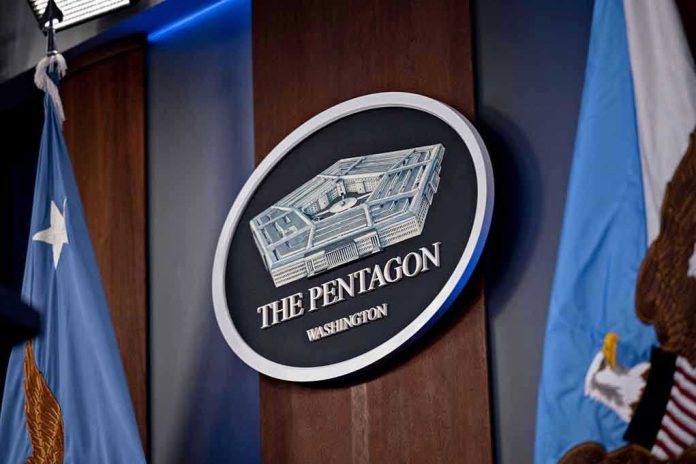
The Pentagon fired Stars and Stripes’ top newsroom leaders for “insubordination” after they warned on television against Defense Department interference in the paper’s reporting.
Story Snapshot
- The Defense Department removed Stars and Stripes’ editor in chief, publisher, and a reporter, citing insubordination tied to a CBS interview.
- A March memo affirmed the paper’s independence while adding content limits and tighter oversight, fueling free-press concerns.
- The Pentagon earlier dismissed the outlet’s ombudsman, who said she was told to stop raising independence issues.
- Both supporters and critics see a core problem: a government outlet asked to be independent while owned by the government.
What Happened And Why It Matters
The Department of Defense fired Stars and Stripes’ editor in chief Erik Slavin and a reporter, saying they were insubordinate after they spoke publicly against Pentagon interference in the newsroom. The Hill and Fox News also reported that the Pentagon removed the paper’s longtime publisher, Max Lederer, amid the same dispute. Slavin has said he was told his dismissal stemmed from a CBS interview where he warned that censorship would be a “red line” for service members’ news.
Stars and Stripes holds a unique role. It is funded by the Pentagon but has operated under a mandate to follow First Amendment principles. That structure has long created tension between editorial freedom and military command culture, which prizes order and message control. The Government Accountability Office documented this basic conflict decades ago. It found recurring risks of “news management” when the military sets rules for a newsroom it also owns.
The New Rules That Triggered The Fight
In March, the Pentagon issued a “modernization” memo. It said Stars and Stripes would stay independent. It also expanded Defense Department oversight and set new limits on content, such as the use of wire services and some syndicated features. It tied coverage to standards linked to “good order and discipline.” The outlet reported the memo also affected public records requests and sensitive but unclassified material. Critics said the changes narrowed room for tough reporting.
Stars and Stripes later reported that several plaintiffs sued over those limits, arguing the new policy violates the law that protects the paper’s independence. The suit described how the memo’s rules could block common reporting tools and reduce outside voices in the paper. The Pentagon has said the goal is focus and professionalism, not censorship. But the case shows the fight moved from newsroom to courtroom in only a few months.
Earlier Signals: The Watchdog’s Firing
In April, the Pentagon dismissed Stars and Stripes’ ombudsman, Jacqueline Smith. The New York Times reported she said officials no longer wanted her to discuss threats to editorial independence. She also said her removal was immediate and not subject to a grievance process. The Pentagon confirmed the removal. That move alarmed press advocates because the ombudsman’s role was created to guard the outlet’s independence and alert Congress when needed.
Lawmakers and press groups on the left and right are watching. Some Democrats pressed the Pentagon over the memo’s restraints earlier this year. Pentagon officials told lawmakers that Stars and Stripes would remain free from command censorship, even as they cited the new standards. The split invites a broader concern shared across ideologies: when the government controls the purse, staffing, and rules, can an outlet ever be truly independent, especially when stories cut against leadership’s image?
What This Means For Readers And Troops
Troops and families rely on Stars and Stripes for field-grounded news that is not a press release. When editors fear crossing a line, reporting can get softer and narrower. When leaders feel the newsroom resists guidance, they can tighten controls in the name of discipline. Both paths risk trust. Healthy trust comes when facts are reported fully and fairly, without fear or favor. That standard serves the rank and file first, not the powerful who run the system.
What To Watch Next
Watch the lawsuit over the March memo. Court rulings could reset the rules and define how far the Pentagon can go. Watch Congress. Lawmakers can clarify the independence mandate or add safeguards. Watch hiring. New leaders will face a clear test: protect hard reporting or shape it to match the message. For readers across the spectrum who see a government that serves itself first, this fight is a bellwether for whether truth can still outrank spin inside the system.
Sources:
feedpress.me, cnn.com, apnews.com, stripes.com, x.com, semafor.com, reddit.com, yahoo.com