Tungsten prices hit records while export licenses tighten and new mines lag, putting AI hardware, defense tools, and machine shops on a collision course with scarce supply.
Story Highlights
- China tightened export controls on tungsten in 2025, adding licensing hurdles and shrinking global flows.
- Benchmark tungsten prices surged to record highs in 2026 as supplies thinned and demand rose.
- Only a small group of firms can export tungsten from China in 2026–2027, deepening concentration risk.
- Analysts link the squeeze to export rules, lower quotas, and downstream chipmaking needs, not just “AI hype”.
What Changed: China’s Controls Reset a Critical Market
On February 4, 2025, China began export controls on tungsten and four other metals, requiring licenses for many products and processes. Officials framed the move as resource protection and security policy. The rules covered key inputs like tungsten carbides and other semi-processed forms that feed cutting tools and electronics. Because China is the dominant source for these materials, the new paperwork and gatekeeping slowed shipments and forced buyers to compete for approved volumes.
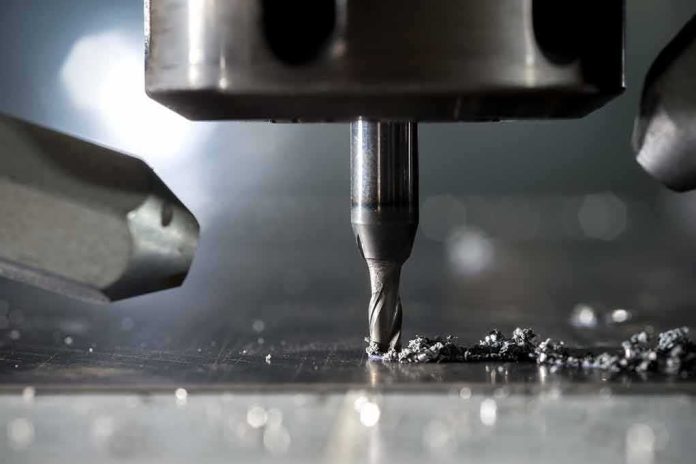
By late 2025 and into 2026, China also narrowed who could sell tungsten abroad. Authorities said that only 15 companies would be allowed to export in 2026–2027, further centralizing control and reducing flexibility for global buyers. This shift came as many industries needed steady flows. Toolmakers need carbides for drills and mills. Defense contractors need tungsten for armor piercing cores and high-heat parts. Chipmaking lines use tungsten chemicals in small but vital steps. Fewer licensed sellers raised the risk of delays and price spikes.
Impact on Prices and Supply Chains
By April 2026, tungsten prices set fresh records. Reporters and traders pointed to China’s tighter export rules and stronger military demand as key drivers. Higher prices signaled that buyers were short on supply and were bidding up to secure material. That pain did not stay in commodities circles. It spread into factory floors that make machine tools, automotive parts, and electronics. Companies with thin margins, like small shops and parts suppliers, struggled to pass along costs to customers.
Industry groups and producers also warned that export limits on core tungsten products, such as ammonium paratungstate, pulled material away from markets outside China. Delegates at a tungsten industry meeting said this squeeze pushed prices up and left rest‑of‑world buyers competing for fewer tons. Chinese mining quotas for 2025 added another brake on supply growth, which made it harder for downstream users to count on larger shipments when orders rose.
AI Factor: Real Demand, But Policy Is the Main Squeeze
Chipmaking uses tungsten gases and films in some process steps. Japanese chemical firms flagged stress in their supply of tungsten hexafluoride after the controls began, raising fears of bottlenecks in advanced fabrication lines. That said, the clearest, best‑documented push on supply so far comes from China’s policies and quotas rather than a precise, measured jump in tungsten volumes tied only to artificial intelligence servers. Analysts stress that demand is rising broadly, but the near‑term choke points are rules and permits.
Part 2.
Supply shortage evidence
A major tungsten carbide facility in Ontario, Canada reportedly shut down earlier this year because of tungsten shortages, illustrating that the supply squeeze is already affecting downstream manufacturers.
Supply disruptions have also reduced…
— Miikkael (@el_miikka) August 20, 2026
This pattern fits a wider trend. Since 2023, China has tightened exports across several strategic minerals, triggering price jumps and scramble behavior in buyer markets. In tungsten, the timing also overlapped with tariff moves by the United States, defense stockpiling in several countries, and slow progress on new non‑China mines. That mix made it harder for firms to hedge risk with alternative sources or quick substitutions, which is tough anyway for a material prized for extreme hardness and heat resistance.
Why It Matters for American Families and Firms
Factories across the United States depend on tungsten tools to cut steel and shape parts. When prices spike, small machine shops face higher bills and delayed orders. Those costs can hit consumer prices down the line. Defense programs also need reliable tungsten parts. When one country controls most of the export valve, national security planners worry about shocks. Policymakers across parties now face a clear choice: permit and finance more mining at home and with allies, or live with recurring shortages.
Many readers on the right and left see a common failure here. The federal government talks about supply chains but moves slowly on permits, energy inputs, and project timelines. Agencies warn of risk, then bog projects down for years. Meanwhile, a rival power sets terms for critical materials. That gap between talk and action fuels anger toward “the elites” who seem insulated from the real‑world cost of shortages. The tungsten crunch is a case study in that trust deficit.
What to Watch Next
Watch for any change in China’s licensing pace or the list of approved exporters, which could ease or tighten flows. Track new mine timelines in friendly countries and whether banks will fund them at today’s prices. Look for factory reports from toolmakers, auto suppliers, and chip firms about material delays. Finally, watch Washington’s permitting reform talk. If rules do not speed up real projects, this squeeze will repeat with other minerals, and the bill will land on workers, small firms, and taxpayers again.
Sources:
cryptopolitan.com, cmgroup.net, reuters.com, cryptobriefing.com, globaltimes.cn, cnbc.com