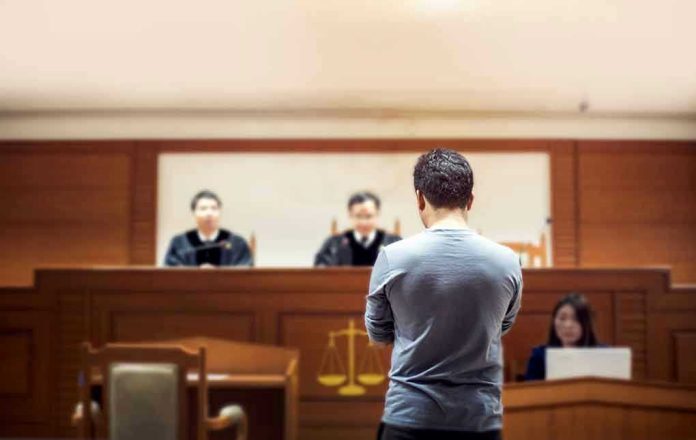
A Utah judge’s decision to allow cameras in the courtroom for the trial of Charlie Kirk’s accused assassin has sparked a fierce debate over transparency versus justice, exposing deep concerns about whether media spectacle will compromise the defendant’s constitutional right to a fair trial.
Story Snapshot
- Judge Tony Graf ruled cameras will remain in Tyler Robinson’s murder trial despite defense objections about jury bias
- The preliminary hearing has been delayed from May 18 to July 6-10, 2026, granting the defense more preparation time
- Charlie Kirk’s widow Erika Kirk advocated strongly for transparency to combat conspiracy theories surrounding the assassination
- The ruling imposes new restrictions on media, including rear camera placement and prohibiting close-up shots of the defendant
Judge Rejects Defense Bid to Ban Courtroom Cameras
Utah 4th District Court Judge Tony Graf delivered his ruling on May 8, 2026, rejecting Tyler Robinson’s defense team’s motion to categorically ban cameras and electronic media from the courtroom. The 23-year-old defendant faces murder charges in the September 10, 2025 assassination of Charlie Kirk, the prominent conservative activist and founder of Turning Point USA. Graf determined that public access to the proceedings outweighs concerns about potential jury bias, noting that the defense failed to provide the “particularized findings” required under Utah law to justify a complete media blackout. The judge’s decision aligns with Utah’s presumption favoring transparency in state court proceedings, a stark contrast to federal courtrooms where cameras remain prohibited.
Defense Arguments Clash With Transparency Demands
Robinson’s defense team argued that extensive media coverage through livestreams and videos would create an insurmountable risk of jury bias, effectively vilifying their client before trial. They pointed to prior media pool violations, including unauthorized close-up shots of the defendant in shackles, as evidence of irresponsible coverage that could poison the jury pool. However, prosecutors from the Utah County Attorney’s Office countered that transparency serves the public interest, particularly given the conspiracy theories that have proliferated since Kirk’s death. This coalition of prosecutors, media organizations, and Kirk’s widow proved persuasive to Judge Graf, who acknowledged media’s accountability role while imposing new safeguards. The ruling reflects a broader national trend toward increased camera access in state courts, even as concerns about fair trial rights persist.
Kirk’s Widow Champions Public Access to Justice
Erika Kirk emerged as a powerful advocate for allowing cameras in the courtroom, framing transparency as essential to combating the misinformation and conspiracy theories surrounding her husband’s assassination. Her public statements emphasized that open proceedings would honor Charlie Kirk’s legacy of conservative activism and ensure accountability in a case that has captured national attention. Trial attorney Rebecca Rose Woodland noted that the ruling represents a careful balance, acknowledging both the victim family’s desire for transparency and the defendant’s constitutional protections. The case has become a flashpoint for debates about justice in the media age, where public interest in high-profile trials collides with defendants’ Sixth Amendment rights. Judge Graf’s decision to relocate cameras to the courtroom rear and prohibit certain shots attempts to thread this needle, though questions remain about whether these measures adequately protect Robinson’s right to an impartial jury.
Cameras to be allowed in Charlie Kirk murder trial | Wake Up America https://t.co/q4rQK3jSIi
— ConservativeLibrarian (@ConserLibrarian) May 11, 2026
The preliminary hearing delay from May 18 to July 6-10 gives Robinson’s defense additional time to prepare their case while prosecutors must demonstrate probable cause to proceed to trial. This high-profile case sets a precedent for Utah courts handling politically charged proceedings, potentially influencing how future trials balance transparency with fairness. The ruling underscores a fundamental tension in American justice: whether the public’s right to witness proceedings and the media’s role as watchdog outweigh risks to defendants when cameras transform courtrooms into national spectacles. For those who believe government institutions operate in shadows to serve elites rather than ordinary citizens, this case offers a test of whether transparency truly serves justice or merely feeds a media circus that makes fair trials impossible.
Sources:
Deseret News – Cameras stay in court as Tyler Robinson’s defense wins delay
ABC7NY – Judge to rule Friday if Charlie Kirk murder case can be filmed, photographed
Courthouse News – Judge in Charlie Kirk case won’t forbid cameras from courtroom