Putin has threatened to hit back with seizures of European ships as Europe tightens pressure on Russia’s shadow fleet.
Quick Take
- Putin said Russia would respond in kind if European countries seize Russian commercial ships or cargo.
- He called the European moves “piracy and banditry” and said Russia could act “anywhere” it deems necessary.
- European governments say the seizures target Russia-linked shadow fleet vessels used to evade sanctions.
- The dispute raises the risk of a wider maritime clash between sanctions enforcement and retaliation threats.
Putin Raises the Stakes at Sea
Russian President Vladimir Putin said Moscow will answer European seizures of Russian-linked ships with its own moves against European vessels. He made the warning while overseeing naval drills and said Russia would not limit its response to the same waters where any seizure happens. The message was direct: if Europe keeps seizing cargo and tankers, Russia may treat European shipping as a target too.
Putin also used sharp legal and political language. He described the European actions as “piracy and banditry” and said some countries were trying to restrict the movement of vessels operated by Russian firms in violation of international maritime law. That framing matters because it turns a sanctions dispute into a sovereignty fight. It also gives Moscow a public reason to threaten retaliation while insisting it is defending lawful trade.
Why Europe Is Targeting Shadow Fleet Ships
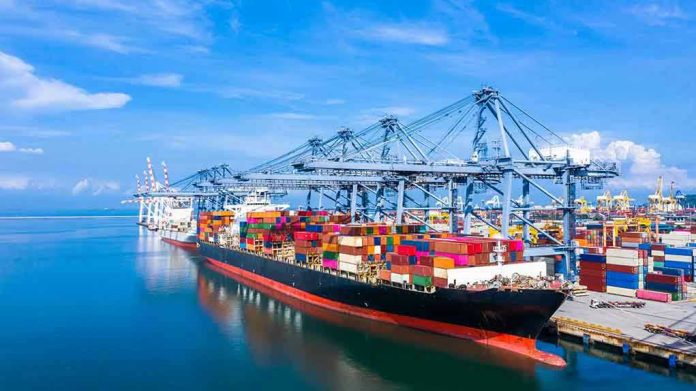
European officials and news reports say the ships in question are part of Russia’s “shadow fleet,” a network used to move oil and other cargo while avoiding sanctions on Moscow’s war economy. Reuters reported that France’s navy seized another tanker linked to that network, saying the move was part of a wider effort to enforce sanctions and squeeze one of Russia’s main revenue streams. That is the core of Europe’s case.
Reports also say new sanctions passed last month allow European Union members to sell oil or other cargo seized from such ships. That detail is important because it shows the dispute is not just about stopping a vessel. It is about taking away the money that keeps the fleet moving. Supporters of the European approach say these ships are not normal commercial traffic. They are tools for sanctions evasion.
A Maritime Fight With Wider Risks
The clash is now bigger than one tanker or one port. Reuters said Patrushev, a close Putin ally, warned in February that Russia might mobilize naval forces if European countries capture its vessels. Other reporting says Russian officials fear Britain, France, and Baltic states could try to limit Russia’s access to the seas. Those threats show how quickly sanctions enforcement can spill into military signaling.
Putin warns West over ship seizures “Piracy and robbery” against Russian maritime trade will not go unanswered, the president has warned.
Russia to seize ships carrying Western cargo in retaliation for similar actions against Russian maritime trade.
https://t.co/HxpAKKP5uM— Jan Kerkoff Pure Blood Follow Back (@JanKerkoff) August 12, 2026
At the same time, the public record is still mostly made up of statements, not court rulings. That leaves room for both sides to frame the same boardings in the strongest possible light. Europe says it is enforcing sanctions against ships built to dodge them. Moscow says it is facing piracy and robbery. The wider result is a familiar one in the age of sanctions: trade routes become pressure points, and every seizure can trigger a new round of threats.
Sources:
insiderpaper.com, reuters.com, upday.com, english.aawsat.com, straitstimes.com, euronews.com, usnews.com