A JAMA report showing most hypertensive Americans still can’t control their blood pressure—despite insurance and regular doctors—exposes a hard truth about a healthcare system that spends big but often fails at basic prevention.
Quick Take
- A February 2026 analysis using 2021-2023 national survey data found about 79% of US adults with hypertension have uncontrolled blood pressure under current targets.
- Roughly 61% of those with uncontrolled blood pressure aren’t taking any antihypertensive medication, even though most have insurance and a routine source of care.
- Newer (stricter) guideline targets below 130/80 help explain why “uncontrolled” now captures a larger share of patients than older standards.
- Researchers and cardiology experts point to “clinical inertia”—delayed starts and slow dose adjustments—as a key reason routine care isn’t translating into control.
New Data: Uncontrolled Blood Pressure Is the Norm, Not the Exception
Researchers analyzing National Health and Nutrition Examination Survey data from 2021 through 2023 reported that 79.1% of adults with hypertension had blood pressure above today’s target, defined as systolic at least 130 and/or diastolic at least 80. The dataset included 3,216 adults age 20 and older with hypertension. Because high blood pressure drives heart attacks, strokes, and kidney damage, the numbers point to a prevention failure affecting millions.
The most alarming detail is what the study says about treatment, not diagnosis. Among people with uncontrolled blood pressure, 61.3% were not taking any blood pressure medication at all. At the same time, reporting across outlets summarizing the research noted that more than 80% of those with uncontrolled blood pressure had health insurance and a routine healthcare provider. That combination undermines the familiar political talking point that the central problem is simply “access.”
The Guideline Shift Matters—But It Doesn’t Explain the Treatment Gap
The definition of “controlled” blood pressure has tightened. Professional guidelines released in 2025 lowered the target to below 130/80, expanding the number of Americans considered uncontrolled compared with earlier benchmarks like the 2017 guidance. That policy shift helps explain why the crisis looks worse on paper today. Even with that context, the medication gap remains difficult to dismiss, because drug therapy can bring many patients to goal when started and adjusted promptly.
High blood pressure is also widespread enough that small percentage changes translate into huge real-world consequences. Outside the JAMA letter, broader estimates place hypertension at about 48% of US adults—roughly 116 million people. Under current guidelines, only a minority are controlled, and a substantial portion are unaware they even have the condition. For families already squeezed by years of higher prices and insurance costs, a preventable stroke or heart attack can become a catastrophic financial and caregiving burden.
Clinical Inertia: When “Routine Care” Doesn’t Turn Into Real Treatment
The lead researcher, Dr. Shakia Hardy, argued the main barrier is “management within care”—starting medication earlier and titrating faster when patients aren’t meeting goals. The demographic breakdown supports that story: untreated people were younger on average and less likely to have a regular source of care than treated patients, but many still had insurance. The study also found that over half of untreated, uncontrolled adults were only about 10 mm Hg or more above target, suggesting modest interventions could make a difference.
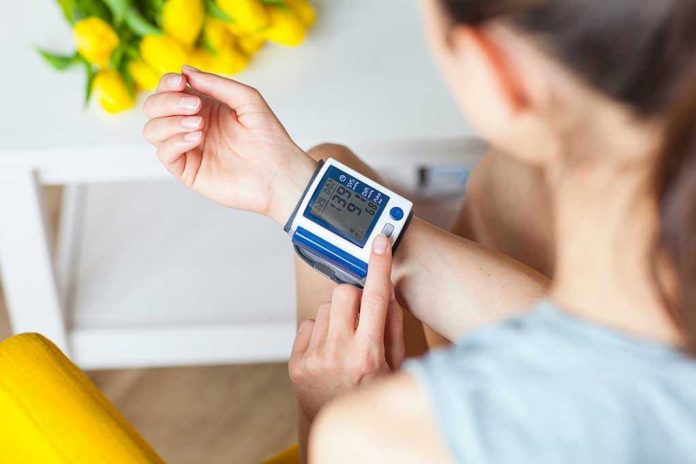
Dr. Benjamin Hirsh, a preventive cardiology leader, emphasized home blood pressure monitoring as a practical tool to close the gap between occasional office readings and day-to-day reality. Home monitoring can also expose “white coat” effects and help clinicians adjust medication based on trends, not single visits. From a limited-government perspective, this kind of low-cost, patient-driven measurement is the opposite of a flashy federal program: it’s personal responsibility supported by straightforward medical follow-through.
What This Means for Americans Who Want Results, Not More Bureaucracy
The research does not provide evidence about “Nadler’s ICE comments,” which circulated separately, so this report focuses strictly on the documented health findings. What the blood-pressure data does show is a pattern conservatives have seen in other areas: massive spending and layers of systems do not guarantee performance. When a majority of uncontrolled patients aren’t on medication even while insured, the fix is unlikely to be another sweeping mandate. It is tighter accountability in routine care, clearer targets, and faster action when numbers stay high.
For readers, the immediate takeaway is practical. High blood pressure is often silent until it triggers a crisis, so measuring it consistently matters. When readings run high, the evidence summarized in this reporting suggests timely initiation of therapy and quicker adjustments can move many people closer to goal. Better control reduces the risk of stroke, heart failure, and kidney disease—outcomes that wreck retirement plans and family stability. The facts point to a prevention challenge the country can’t afford to ignore.
Sources:
4 in 5 Americans Have Uncontrolled High Blood Pressure
Nearly Half of US Adults Have Hypertension
Four in Five US Adults With Hypertension Have Uncontrolled BP
High blood pressure in Americans and heart health