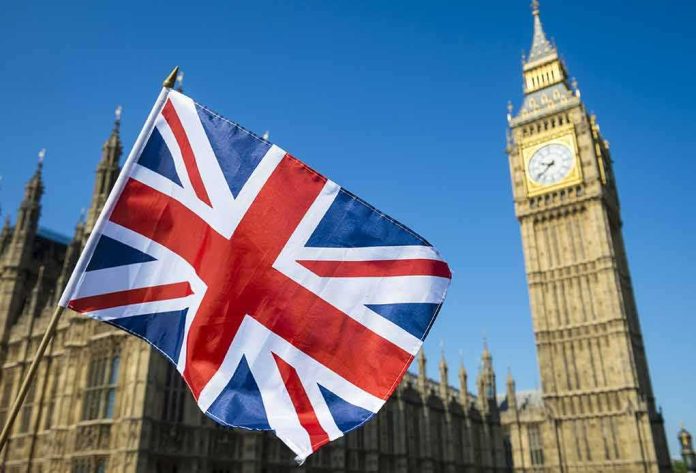
Britain has moved from warning labels to a full trade ban on goods from Israeli West Bank settlements, signaling a tougher Western line with real diplomatic costs attached.
Story Snapshot
- The United Kingdom banned imports and exports tied to Israeli settlements in the West Bank.
- London says settlements are illegal and businesses should avoid economic activity there.
- Talks on a new United Kingdom–Israel trade deal are paused as part of the shift.
- Israeli leaders condemned the steps and warned of countermeasures.
What the United Kingdom Changed and Why It Matters
The United Kingdom announced a ban on trade with Israeli settlements in the occupied West Bank. Officials framed the move as a response to rising settler violence and as a step that aligns trade with international law. The government also reiterated that it supports trade with Israel inside its 1967 lines, but not with settlements beyond them. Government guidance states that settlements are illegal and warns businesses against economic activity there. The Foreign Secretary paused talks on a new bilateral trade deal.
The government’s business risk guidance for the occupied Palestinian territories now speaks more directly. It says settlements breach international law, block peace efforts, and threaten a two-state solution. It advises companies not to engage in investment or finance linked to those areas. This follows a long pattern in Europe of treating settlement goods differently. Earlier steps focused on labeling. Today’s shift moves from labels toward a prohibition on commerce tied to the settlements.
How This Fits the Broader Legal and Policy Trend
European Union court rulings over the last decade have required clear labels for goods from occupied territories. Those rulings aimed to prevent confusion between products from Israel and those from settlements beyond the 1967 lines. Legal experts have since argued that labeling alone may not meet duties not to support or recognize an unlawful situation. That legal pressure has pushed some governments to tighten policy from labels to bans.
Advocacy groups point to the International Court of Justice advisory opinion in 2024. They argue it strengthened duties on states not to aid settlement activity through trade. Supporters say a ban is a logical next step. They contend that allowing normal commerce blurs the legal line and reduces pressure to end land seizures. The United Kingdom’s action tracks with this legal reading, even as officials keep standard trade with Israel proper open.
Israel’s Response and the Diplomatic Fallout
Israeli leaders condemned the ban and broader measures as hostile and harmful. The foreign minister warned of counter steps, including closing the British consulate in East Jerusalem and removing British staff from a United States-led coordination center. The president called the move a grave mistake and said it would hurt Palestinians and weaken security. The rhetoric signals a real diplomatic rift that could grow if more states copy the United Kingdom.
West Bank Palestinians Welcome UK Settlement Trade Ban as Long-Overdue Step https://t.co/a5Ogv74Zwe
— Policy Wire (@policy_wire) September 9, 2026
Diplomatic blowback can spill into trade, travel, and security ties. London says it remains committed to its existing trade agreement but cannot advance a new one for now. That pause adds leverage to the policy. It also raises costs for both sides if the standoff drags on. For companies, the risk has become clearer. Doing business in settlement zones now carries legal and reputational exposure, plus the chance of seized goods or fines.
What It Means for Americans Watching from Afar
This story is about where power draws lines, and who pays when the lines move. Many readers feel elites make rules that regular people must live with. Here, the United Kingdom tied trade rules to a legal stance it has voiced for years. The change is not a slogan; it is a lever. It aims to push behavior by turning off a market. Whether you back or oppose the ban, it shows how governments now use trade tools to force choices.
For conservatives worried about global overreach, this looks like another foreign capital using rules to shape events on the ground. For liberals worried about human rights, this looks like a long-delayed effort to match words with actions. For both, the lesson is the same. When leaders are slow to solve hard problems, policies arrive late and land hard. That leaves families, farmers, and small firms caught in the middle while big players argue.
What to Watch Next
Watch if other allies follow with bans, or stick to targeted sanctions. Watch if Israel answers with steps that hit diplomacy or trade. Watch the legal tests that firms may bring in United Kingdom courts. Most of all, watch whether this shifts facts on the ground, or only shifts headlines. Policy that changes costs can change behavior, but only if the pressure lasts and partners move together.
If the policy spreads, supply chains will adjust. Retailers will demand clearer origin data. Compliance systems will get stricter. Companies that looked the other way will face higher risk. For citizens who feel shut out by distant deals, the stakes are simple. Trade rules are no longer background noise. They are becoming front-line tools in foreign policy, with real effects on shelves, jobs, and prices.
Sources:
gov.uk, aa.com.tr, jpost.com, straitstimes.com, aljazeera.com