A brutal hammer killing in Florida is now reigniting the national fight over Temporary Protected Status and whether judges are effectively vetoing immigration enforcement.
Quick Take
- A Haitian national accused of killing a Fort Myers gas station clerk on April 3 was in the U.S. after entering in 2022 and being released, later receiving TPS despite a removal order.
- DHS and ICE say the suspect was located with Fort Myers Police assistance and is now held with an ICE detainer pending court proceedings.
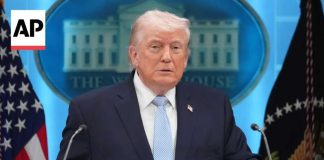
- President Trump blamed Biden-era border policies and “radical liberal judges,” using the case to argue for faster removals and an end to TPS as a long-term workaround.
- Public details remain limited on the victim’s identity and the suspect’s court timeline, but the policy questions around releases, backlogs, and TPS are central to the political fallout.
What happened in Fort Myers—and what authorities have confirmed
Fort Myers Police say a Haitian man identified as Rolbert Joachim (also spelled “Joachin” in some reports) is accused of killing a woman described as a mother and gas station clerk on April 3. Reports say the attack occurred at a gas station and involved smashing a car windshield and repeatedly striking the victim with a hammer, with surveillance video capturing the incident. Authorities later located the suspect on Mango Street with ICE support.
DHS officials highlighted the arrest as an example of coordination between local police and federal immigration enforcement. ICE placed a detainer, meaning immigration authorities intend to take custody after criminal proceedings and pursue removal. That procedural detail matters because it separates two tracks: criminal accountability in Florida courts first, then immigration consequences afterward. Public reporting has not provided trial dates or a full court schedule, limiting what can be responsibly concluded beyond the arrest and detainer.
The immigration timeline: release, removal order, then TPS
Multiple outlets report the suspect entered the United States in August 2022 and was released under policies in effect at the time. Reports also describe a federal removal order in 2022 that was later overtaken by Temporary Protected Status, a program created by Congress in 1990 to allow certain foreign nationals to remain and work in the U.S. when their home country faces extraordinary conditions such as armed conflict or disasters.
Haitian migration increased after 2021 amid severe instability, and the Biden administration designated or expanded TPS for Haitians in 2021–2022, covering a large population often estimated in the six figures. Reports also note TPS tied to Haiti was later described as expiring in 2024, with enforcement complicated by administrative backlogs and legal processes. The policy controversy is straightforward: supporters see TPS as humanitarian triage; critics argue it functions as a semi-permanent status that can delay removals even after orders are issued.
Trump’s message: policy accountability and the “judge problem”
President Trump amplified the case on Truth Social, describing the surveillance footage as graphic and tying the killing directly to Biden-era immigration decisions—release into the interior and TPS eligibility—while also criticizing judges he says are blocking deportations. DHS officials echoed the argument that “reckless policies” have real-world costs, framing the arrest as both a law-enforcement matter and a warning about incentives created by weak enforcement and long delays in removal.
Based on the available reporting, Trump’s most substantiated point is the narrow one: immigration status and policy decisions can determine whether a removable noncitizen remains in the country long enough to commit new crimes. His broader claim—pinning moral responsibility on political opponents or the judiciary—moves from verifiable timeline to political attribution, and readers should distinguish the two. Even so, the case underscores a core conservative concern: when government fails at basic border control and timely removals, everyday Americans doing ordinary jobs absorb the risk.
Why this case lands in a bigger 2026 trust crisis
Florida officials have portrayed the incident as preventable and connected it to a wider pattern of state-federal strain over immigration enforcement. The reporting emphasizes that local agencies worked with ICE, a practical approach many voters support because it prioritizes public safety over jurisdictional turf wars. At the same time, the national argument over “who decides”—elected officials, agencies, or courts—feeds a wider public belief that the system protects insiders and processes, not victims.
President Trump GOES OFF on Biden and Radical Liberal Judges After Illegal Alien From Haiti Savagely Murders Florida Gas Station Clerk with a Hammer
READ: https://t.co/AcGXry61Kq pic.twitter.com/gJInd21M6D
— The Gateway Pundit (@gatewaypundit) April 10, 2026
For Americans across the political spectrum who feel the federal government no longer performs its most basic duties, this story hits a nerve: a violent crime, a confusing status timeline, and a legal system that can take months or years to fully resolve what looks obvious on paper. The reporting available so far does not include detailed counterarguments from TPS advocates in this specific case, so the public debate is likely to intensify as more court facts emerge and as the administration presses its broader push to narrow TPS and accelerate removals.
Sources:
Trump blames Biden administration’s immigration policies for Florida killing
Undocumented immigrant accused of killing mother with hammer at Florida gas station
Trump blames Biden’s border policies for deadly hammer attack in Florida
Undocumented immigrant accused of killing mother with hammer at Florida gas station