Iran’s ruling regime just cemented a dynasty amid wartime chaos, installing the late Supreme Leader’s son in a move that reeks of authoritarian power consolidation and directly challenges American interests in the Middle East.
Story Snapshot
- Mojtaba Khamenei elected Supreme Leader on March 8, 2026, following his father’s assassination in US-Israeli strikes
- Islamic Revolutionary Guard Corps pressured Assembly of Experts into rapid succession during active war
- President Trump called the selection “unacceptable,” while Israeli forces named Mojtaba an assassination target
- Dynastic succession entrenches hardline policies and threatens regional stability amid oil disruptions hitting global economy
Wartime Dynasty Defies Democratic Norms
The Assembly of Experts elected Mojtaba Khamenei as Iran’s new Supreme Leader on March 8, 2026, just eight days after his father Ali Khamenei died in coordinated US-Israeli airstrikes. The Islamic Revolutionary Guard Corps exerted significant pressure during an emergency online Assembly meeting on March 3, pushing members toward the dynastic succession. This marks the first time Iran’s theocratic regime has elevated a Supreme Leader’s son to the position, abandoning any pretense of merit-based selection. The lightning-fast process occurred while Iranian forces launched retaliatory drone and missile attacks across the region, including strikes wounding 32 in Bahrain.
IRGC Strongarm Tactics Override Constitutional Process
Reports confirm the Revolutionary Guard effectively hijacked what should have been a deliberative constitutional process. The Assembly of Experts, tasked with selecting Iran’s highest authority, faced intense military pressure to bypass qualified alternatives including Gholam-Hossein Mohseni-Eje’i and Hassan Khomeini. Conservative commentators within Iran warned the wartime appointment would prove divisive, yet the IRGC’s grip on power prevailed. This manipulation demonstrates how Iran’s military apparatus, not religious scholarship or public consent, now dictates leadership transitions. The interim Leadership Council established under Article 111 became a mere formality as hardliners consolidated control within days of the assassination.
Trump Administration Rejects Regime’s Power Grab
President Trump deemed the selection “unacceptable” on March 5, declaring Mojtaba a “lightweight” who required American approval before assuming power. This strong stance reflects the administration’s refusal to legitimize dynastic authoritarianism that threatens US allies and energy markets. Israeli Defense Forces immediately designated the new Supreme Leader as a military target, underscoring the existential stakes for regional security. The Trump administration’s willingness to challenge Iran’s internal power structure marks a decisive break from past policies that treated regime succession as internal affairs. Americans frustrated with decades of appeasing Tehran’s provocations now see leadership willing to confront the theocracy’s most vulnerable transition moment.
Economic and Strategic Consequences Mount
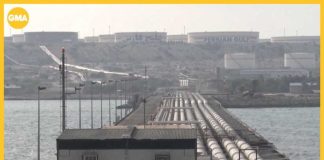
Tehran’s oil facilities sustained massive damage during the conflict, taking significant production offline and spiking global energy prices. Analysts warn prolonged disruptions could deliver a devastating blow to the world economy, already strained by years of inflationary pressures. Mojtaba himself reportedly suffered injuries in the February 28 strike, raising questions about his physical capacity to govern during crisis. Iranian citizens remain divided, with regime supporters celebrating continuity while protesters fear intensified repression. The succession entrenches anti-Western policies and eliminates any near-term prospects for reform, as the Khamenei family tightens its generational grip on Iran’s population of 88 million. This manufactured legitimacy through military coercion exposes the regime’s fundamental weakness even as it projects defiant strength.
The installation of Mojtaba Khamenei represents everything wrong with authoritarian regimes that prioritize power preservation over national interest. His low public profile and dependence on IRGC backing suggest a figurehead vulnerable to manipulation by the very military forces that orchestrated his rise. Americans watching this unfold understand the stakes: a nuclear-ambitious regime now led by an inexperienced dynasty heir, backed by revolutionary guards committed to exporting instability. The Trump administration’s firm rejection signals a new chapter where American strength, not diplomatic niceties, shapes Middle East outcomes. Patriots can take confidence that unlike previous administrations, this White House refuses to validate illegitimate power grabs that threaten our allies, energy security, and regional peace.
Sources:
2026 Iranian Supreme Leader election – Wikipedia