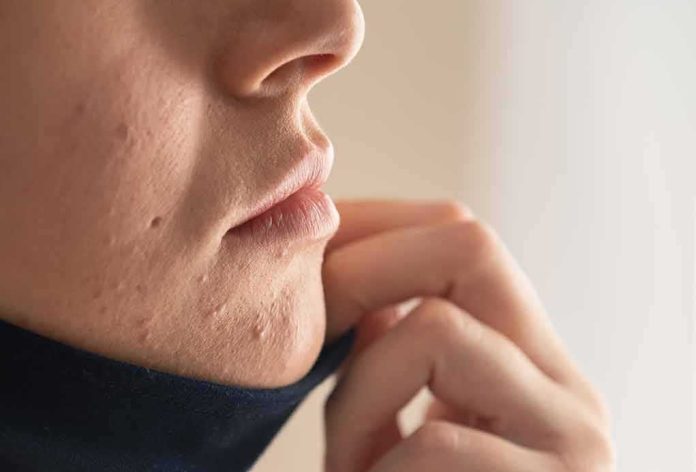
A viral Gen Z “beauty” trend now has teenage boys hitting their faces with hammers and taking hard drugs to chase the perfect jawline.
Story Snapshot
- Streamer Clavicular promotes an extreme “looksmaxxing” regimen that includes steroids, meth, and “bone smashing.”
- Medical experts say there is zero scientific proof his methods work and warn of serious, permanent injury.
- The trend targets insecure young men online and blends body-image anxiety with toxic, sometimes extremist, internet culture.
- Parents, teachers, and regulators are scrambling to respond as platforms host content that can push teens toward self-harm.
Clavicular’s extreme regimen and claim of “beauty at any cost”
Controversial streamer Clavicular, real name Braden Peters, has built a massive following by telling young men that extreme “looksmaxxing” can unlock women, wealth, and fame. He says he started at 14 by ordering testosterone online, taking steroids before his body finished growing, and using methamphetamine to stay thin and hollow out his cheeks. He also openly describes smashing his jaw and cheekbones with a hammer to change his face, calling “bone smashing” a real path to a sharper, more masculine look.
Reports from major outlets say Peters now presents himself as a “lab rat” for the looksmaxxing community, claiming years of steroid abuse left him infertile and that microdosed meth helps him keep a 31‑inch waist and tight jawline. He has undergone nose surgery and ear pinning to improve his dating app photos and discusses possible double jaw surgery and even leg‑lengthening as future steps. In this world, normal fitness and grooming are not enough; followers are urged toward ever more drastic, risky procedures and drug stacks to “ascend” in looks rankings.
What “looksmaxxing” and “bone smashing” really involve
Looksmaxxing is an online subculture that rates male appearance with “scores” and promises that strict regimens can boost those numbers. It ranges from softer steps like skincare, gym workouts, and calorie tracking to “hardmaxxing” practices such as steroid use, jaw and leg surgery, unregulated hormones, and “bone smashing,” where men hit their faces with hard objects to supposedly reshape bones. The community grew out of incel forums and now spreads on TikTok and other platforms to a wider group of young men who feel they do not measure up.
Experts describe bone smashing as people striking their jaw, cheekbones, or brow with hammers or similar tools, hoping micro‑fractures will heal into a more chiseled face. Medical sources say this idea badly misuses Wolff’s law, which explains how bones adapt to normal loads like walking or lifting, not repeated trauma to facial bones. Surgeons warn the real results are bruises, splintered bones, nerve damage, tooth loss, facial asymmetry, and in worst cases blindness or emergencies that need major reconstructive surgery, with no lasting “handsome” payoff.
Doctors and scientists: “no evidence, high risk, young lives at stake”
Across reports and interviews, medical professionals stress that there is no scientific proof that smashing facial bones makes people better looking. Maxillofacial, orthodontic, and orthopedic surgeons call bone smashing “medically nonsensical” and explain that uncontrolled fractures heal in unpredictable ways, often causing deformity instead of improved features. They also point to risks of permanent nerve injury, facial paralysis, blood vessel damage, and chronic pain, warning that one attempt can leave a teenager scarred for life.
Doctors are just as worried about the drug side of looksmaxxing. Analysts note that influencers like Clavicular describe unsupervised stacks of hormones, steroids, dermatology drugs, and unapproved peptides, mixed together without medical guidance. Regulatory agencies such as the United Kingdom’s Medicines and Healthcare products Regulatory Authority have warned that many popular peptides have only been tested on animals, not humans, and are not approved for people. Health experts say young men are essentially running uncontrolled experiments on their bodies to impress an online audience and chase an algorithm’s approval.
Why insecure young men are drawn in—and how politics and “elites” fit
Media and researchers find that looksmaxxing hits especially hard among boys who already feel unattractive, rejected, or left behind. Studies on digital youth culture show that these teens face intense pressure to self‑optimize and may turn to dangerous trends when normal hard work seems pointless. Social scientists warn that when someone feels they have lost status, they may seek meaning in extreme online communities that offer strict rules, simple answers, and heroes who promise quick transformation. Looksmaxxing gives them a script: fix your face and body at any cost, or accept that you are a “failure.”
I’ve noticed a new internet word: maxxing.
Example:
Looksmaxxing.
Moneymaxxing.
Gymmaxxing.
SleepmaxxingThis is undoubtedly a Gen Z creation, and I hate to say it, but it feels like a completely unnecessary word to me.
Anyways, what do you guys think? Do you like it? Will…
— Reo🧚🏻 (@oxmemelad) July 20, 2026
Commentators also link this world to a deeper anger many Americans feel toward elites and institutions. Influencers like Clavicular mix talk of bone smashing and steroids with ties to far‑right figures such as Nick Fuentes and Andrew Tate, blending beauty obsession with political rage and conspiracy talk. That message lands in a country where both conservatives and liberals increasingly believe the system is rigged, the rich and powerful are protected, and ordinary people are left on their own. For some young men, self‑harm dressed up as “self‑improvement” feels more believable than trusting schools, doctors, or the government.
Parents, schools, and platforms: trying to protect Gen Z from self‑harm culture
Public health experts and reporters are urging parents and educators to talk directly with teens about these trends, not just ban them. They suggest steering kids toward creative outlets, sports, and friendships that build confidence without risky drugs or violence against their own bodies. Psychologists say the goal is to replace nihilistic, “you are worthless unless perfect‑looking” messages with a sense of value rooted in character, skills, and community, not skull measurements and jaw angles. Clear, calm conversations can help boys see that real strength is taking care of their health, not smashing their faces for clicks.
At the same time, platforms and regulators face hard questions. Clips of bone smashing, steroid bragging, and meth “tips” travel fast across TikTok, YouTube, and other sites, even as those companies claim to protect youth. Some institutions already punish public ties to Clavicular and similar influencers, and content moderation pressure is likely to grow as more parents and doctors speak out. In a political climate where many Americans distrust both Big Tech and the federal government, the challenge is finding a way to curb clearly harmful content without turning online safety into just another partisan fight.
Sources:
foxnews.com, npr.org, en.wikipedia.org, ordzaar.com, bbc.com, ibtimes.co.uk, cnn.com, theguardian.com, nytimes.com, newyorker.com, youtube.com, vexxskincare.com, mashable.com, facebook.com, pl.wikipedia.org, praxis-psychologie-berlin.de, theconversation.com, pslscore.com, perfectb.com, forum.looksmaxxing.com, getlabtest.com, gq.com, instagram.com, ndwtech.org, arxiv.org, frontpagejournal.com, tandfonline.com