Bruce Blakeman vowed to end New York’s “sanctuary state” policies on day one if elected governor, sharpening a campaign built around immigration enforcement and tax relief.
Story Snapshot
- Blakeman says he will sign a day-one executive order declaring New York is not a sanctuary state.
- His plan pairs immigration changes with a tax cut on the first $100,000 earned by joint filers.
- Experts say “sanctuary” is not a single legal status, but a patchwork of rules and orders.
- Recent New York measures limited local help to federal immigration agents, deepening the policy fight.
Candidate’s Pledge on Day-One Immigration Action
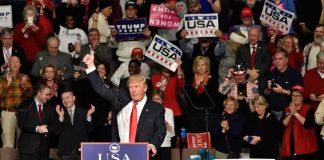
Nassau County Executive Bruce Blakeman, a Republican candidate for New York governor, said he will end the state’s “sanctuary” approach on his first day in office. He stated he would sign an executive order saying New York is not a sanctuary state and redirect resources to other priorities. He repeated the pledge across interviews and campaign stops, making it a central promise of the race. He frames the move as a safety and budget measure, arguing taxpayers should not fund services for recent arrivals who lack legal status.
Blakeman links immigration changes to a broader affordability push. His campaign materials and friendly media interviews pair the day-one order with tax relief and energy cost plans. He argues the state must reduce costs that drive families and businesses away. He places immigration policy within that aim, saying current rules strain schools, hospitals, and local services. He points to state spending on migrant care as evidence that budgets are misaligned with residents’ needs.
What “Sanctuary State” Means in Practice
Legal scholars and advocates say “sanctuary” does not have a single legal definition. The term often covers a mix of executive orders, agency policies, and local rules that shape when state and local officials share information or act with federal immigration agents. Because the word is political shorthand, campaigns and lawmakers can describe the same policies in very different ways. New York has layered rules rather than one master law, which fuels confusion and debate.
Recent state actions added new protections that limit local help in most civil immigration matters. Advocacy summaries describe provisions that shield certain locations, define when data can be shared, and set when local resources can be used for immigration enforcement. Supporters say these rules protect due process and community trust. Critics say the measures block cooperation with federal immigration officers and raise public safety risks, as well as costs for local governments handling services.
How a Governor Could Change Policy
A governor can issue executive orders to direct state agencies, set cooperation rules, and adjust information-sharing policies. That is why campaigns talk about “day one” actions. But any change must fit within state statutes, federal law, and court rulings. Executive orders can shift enforcement priorities and guidance but cannot override laws passed by the legislature. That means a new governor’s order might start a process that later needs agency rulemaking or new bills to lock in changes.
Past guidance from New York’s Attorney General shows how much of this area relies on instructions to local officials and agencies. Those documents explain federal definitions, such as how federal law once described “sanctuary jurisdictions” in terms of compliance with information-sharing rules, and map the boundaries of state and local roles. A new administration could revise guidance and cooperation agreements. Still, legal limits and court oversight would shape how far those changes go.
The Tax-Cut Pairing and Budget Stakes
Blakeman ties his immigration plan to a promised tax cut on the first $100,000 of income for married couples filing jointly. He frames it as relief for working families and a way to keep residents in New York. The idea mirrors moves in nearby states that lowered rates on the lowest brackets for joint filers, which campaigns often cite to show a path to affordability. Budget analysts would need to score the plan to estimate revenue effects and trade-offs.
NEW YORK GOVERNOR RACE | BLAKEMAN PROMISES NO SANCTUARY STATE
“On day one, when I become governor, we are no longer a sanctuary state.”
Bruce Blakeman is outlining a tough immigration and tax agenda for New York, taking aim at Governor Kathy Hochul over migrant-related… pic.twitter.com/IdtPl8KONB
— CSB News USA (@csbnewsus) September 13, 2026
The combined message speaks to a wider frustration. Many voters on the right resent higher costs, crime concerns, and what they view as chaos at the border. Many on the left resent inequality, strained services, and political leaders who seem distant from daily realities. Both groups see a state that feels unresponsive. A clear debate over what “sanctuary” really does, how much it costs, and how tax cuts would be paid for may help voters judge which plan best serves families and the rule of law.
Sources:
youtube.com, politicalbytes.net, finance.yahoo.com, lawenforcementtoday.com, cityandstateny.com