
Israel says its forces now control Lebanon’s Ali al-Taher ridge, while Hezbollah flatly denies any Israeli presence there.
Story Snapshot
- Israel claims “operational control” of the Ali al-Taher ridge after offensive actions.
- Hezbollah says the ridge has no Israeli troops and remains under its control.
- Israeli outlets report tunnels cleared and fighters trapped underground.
- Continued clashes near the ridge suggest the area remains contested.
What Israel Says It Achieved On The Ridge
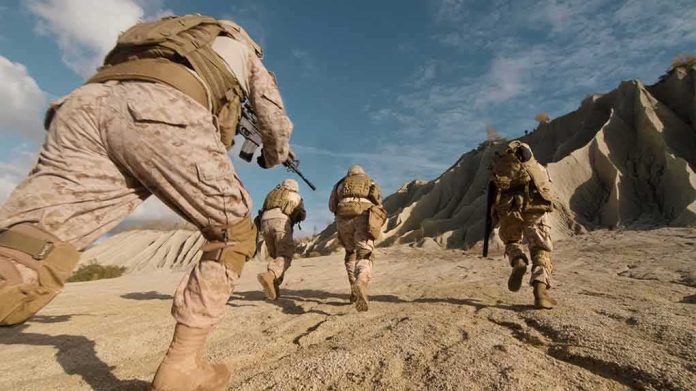
Israeli military statements said troops gained “operational control” of the Ali al-Taher ridge, a strategic high point above Nabatieh in southern Lebanon. The military linked the claim to ambushes, drone strikes, and attacks on underground routes, and framed the ridge inside a broader security zone along the border. Israeli-aligned reports added that forces cleared tunnels and seized weapons and computers, describing control both above and below ground and trapping Hezbollah fighters in the complex.
Reuters noted Israel had already mapped the ridge inside an expanded buffer area where its forces operate, reinforcing the message that Ali al-Taher fits a larger plan to push hostile units back from the frontier. That framing matters because “operational control” can mean many things. It can be a foothold on key terrain, control of access routes, or the ability to deny enemy movement, not only a constant, visible troop presence on every slope.
How Hezbollah And Other Sources Dispute The Claim
Hezbollah publicly rejected Israel’s claim, saying the ridge was free of Israeli troops and that its own fighters remain in place and ready to engage. Coverage that cited Lebanese military sources said Israel may have encircled the area and imposed “fire control,” but had not reached the summit. Analysts warned that touching one point on the ridge does not equal control of the whole mountain. These accounts challenge Israel’s description of completed, stable control.
Reports of incidents near the ridge continued after Israel’s announcement, including a Hezbollah explosive drone near Israeli troops with no injuries reported. Ongoing strikes and claims of attacks support a picture of fluid contact rather than quiet, uncontested ground. Continued action in the area undercuts any simple reading that one side has locked down the ridge for good. In war zones like this, both sides push hard to shape public perception fast.
Why “Operational Control” Is So Murky Here
Wire services and regional outlets described Israel’s self-declared security zone expanding to include Ali al-Taher. That language blurs lines between a temporary incursion, a siege of underground routes, and full territorial control. Without neutral on-site checks, the public sees two confident stories and little hard proof. United Nations peacekeepers have limited access and authority, so they cannot quickly verify who holds which trench or tunnel entrance.
The strikes hit five locations in the southern Tyre and Nabatieh regions, and Bekaa in the east. Lebanese state media says two people were targeted while riding a motorcycle near the strategic Ali al-Taher ridge – which Israel said it captured from Hezbollah on Thursday. pic.twitter.com/OxxAIZJJ2z
— TRT World (@trtworld) September 5, 2026
For Americans watching another Middle East flashpoint, the lesson is familiar. Competing claims spread faster than facts, and officials on both sides have incentives to declare victory. Citizens across the political spectrum worry that powerful players shape the story while the truth on the ground stays hidden. Until independent images, neutral monitors, or clear battlefield evidence emerge, treat “operational control” as a moving target with real risks of a wider fight.
Sources:
saudigazette.com.sa, reuters.com, israelnationalnews.com, ynetnews.com, english.aawsat.com