President Trump’s promise to keep America out of endless wars lies shattered as US forces remain entangled in a month-long conflict with Iran, while Iran-backed Houthis escalate attacks on American military assets and Trump prepares to announce a hasty Middle East withdrawal.
Story Snapshot
- Iran-backed Houthis launch largest Gulf strike, bombing residences of 200 US pilots and crippling fighter jets
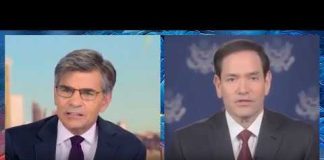
- Iran’s president condemns “unprovoked military aggression” by US hours before Trump’s primetime address
- Trump signals US will leave Middle East “very soon” after month-long war strains military resources
- Houthi missile attacks on Israel intercepted by IDF with no casualties, opening dangerous second front
Another Broken Promise on Endless Wars
The Trump administration faces mounting criticism from its base as US forces remain mired in a month-long conflict with Iran that contradicts the president’s 2024 campaign pledge to avoid new foreign entanglements. Trump scheduled a primetime address to announce the war’s status and declare the US will exit the Middle East “very soon,” a timeline suggesting the administration seeks to cut losses amid escalating proxy attacks. This development underscores the frustration conservative voters feel watching another president deploy American troops into Middle Eastern conflicts after promising restraint, raising questions about whether campaign commitments on foreign policy hold any weight.
Houthis Strike American Military Assets in Unprecedented Escalation
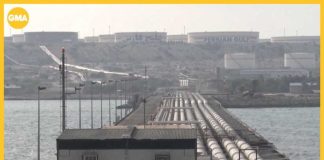
Iran-backed Houthi forces executed what sources describe as the “biggest Gulf strike,” targeting residences housing 200 US military pilots and damaging fighter jets in a coordinated assault. The attacks represent a dangerous shift from previous Houthi operations focused on Red Sea shipping disruptions, now directly striking US military infrastructure. This escalation demonstrates Iran’s strategy of using proxies to inflict damage while maintaining plausible deniability, a tactic that puts American service members and their families in direct danger. The strikes crippled air assets critical to US operations in the region, exposing vulnerabilities that embolden adversaries and weaken American deterrence.
Iranian Regime Plays Victim While Orchestrating Proxy Violence
Iran’s president issued condemnations labeling US actions “unprovoked military aggression” just hours before Trump’s address, framing Tehran as a victim despite orchestrating attacks through Houthi proxies. The Iranian leadership’s rhetoric contradicts the evidence of coordinated strikes on US pilots and Israeli targets, revealing the regime’s manipulation of diplomatic language to shield responsibility for escalation. This pattern mirrors decades of Iranian behavior since the 1979 Revolution, where the regime funds terrorism and proxy warfare while claiming defensive postures. Conservative Americans recognize this duplicity as standard practice from a theocratic government that chants “Death to America” while feigning peaceful intentions.
Israel Faces Multi-Front Threats as Houthis Launch Missile Barrages
Houthi forces launched fresh ballistic missile attacks targeting Israel’s Negev region, including Beersheba, triggering air raid sirens and forcing civilians into shelters. The Israeli Defense Forces successfully intercepted the threats with no reported casualties, demonstrating the effectiveness of Israel’s defensive systems against asymmetric warfare. These attacks open a concerning second front for Israel, which already confronts threats from Hamas and other Iranian-backed groups, stretching defense resources thin. The coordination between Iran and its proxies reveals a strategic effort to overwhelm Israel through simultaneous pressure points while the US signals withdrawal.
The broader implications of Trump’s planned withdrawal raise serious concerns about American credibility and the power vacuum that retreat creates. Emboldened by successful strikes against US assets, Iran and its proxies will likely interpret withdrawal as validation of their asymmetric warfare strategy, encouraging further aggression. Energy markets face volatility as the conflict centers near the Strait of Hormuz, through which substantial global oil supplies transit, threatening American consumers with higher fuel costs that compound existing inflation frustrations. The conservative base that elected Trump on promises of peace through strength now watches another administration struggle to balance non-interventionist rhetoric with the realities of protecting American interests and allies.
Sources:
Iran bombs residences of 200 US pilots, cripples fighter jets in biggest Gulf strike