
The Pentagon now admits that 17 American service members have died in the Iran war, but growing evidence suggests the true human cost — especially the wounded — may be higher and slower to reach the public.
Story Snapshot
- The Pentagon confirms **17 U.S. service members** killed in the Iran war as of Day 142.
- Recent deaths include two soldiers in Jordan and one in northern Iraq, all tied to Iranian attacks.
- Officials acknowledge more than **400 wounded**, and past injury counts have been withheld or delayed.
- Polls show most Americans across party lines oppose the war, increasing scrutiny of casualty reporting.
Confirmed deaths reach 17 as war with Iran drags on
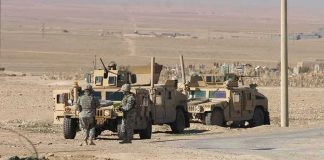
United States defense officials say the war with Iran has now claimed the lives of **17 American service members**, more than four months after joint U.S. and Israeli strikes on Iran began on February 28. The latest three deaths came in mid-July, when Iranian missiles and drones hit a base in Jordan and a separate American soldier died in northern Iraq during a controlled blast of a downed Iranian drone. These updates show that combat is still deadly even as leaders promise limited goals.
The Pentagon identified First Lieutenant Tyler James Feehan, 25, from Hawaii, and Private Isabella Gonzales, 19, from Texas, as the soldiers killed in the Jordan attack on Muwaffaq Salti Air Base. U.S. Central Command said Iran’s strike killed two service members and left a third missing, and later reported “unidentified remains” at the site, which are still being examined. Another service member died in northern Iraq while handling unexploded ordnance from an Iranian attack drone, adding to the toll from this phase of the war.
Where and how Americans have been killed so far
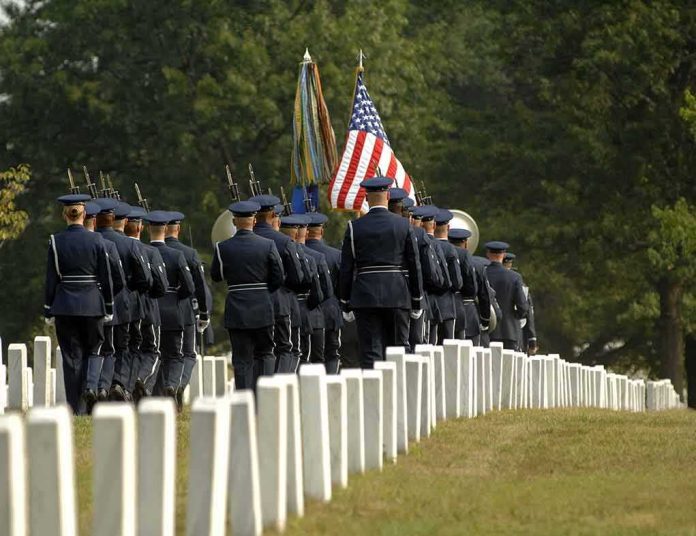
The 17 deaths have come from a mix of direct Iranian attacks and dangerous support missions across the region. Early in the war, four Army Reserve soldiers died in a drone strike on a U.S. facility in Kuwait, and later six service members were killed when a KC-135 refueling aircraft crashed over Iraq while supporting operations against Iran. Another service member, Sergeant Benjamin N. Pennington, died of wounds days after an earlier strike, while a Navy pilot was killed in a helicopter crash over the Arabian Sea, which the Pentagon still counts in the war’s casualty total.
Not all of these deaths came from enemy fire, but they are tied to the strain and risk of a fast-moving regional war. Some incidents are classified as “non-hostile,” like the helicopter crash, yet family members still feel they lost loved ones because of choices made in Washington and the pace of operations overseas. For many Americans on both the left and the right, each new name on the list reinforces a belief that leaders are asking ordinary troops to pay the highest price while avoiding honest debate at home.
Wounded, missing, and the gap in public information
Alongside the 17 confirmed dead, officials now acknowledge that more than **400 American service members have been wounded** in the Iran war, with many hurt in missile and drone attacks on bases in Jordan and the Gulf. A New York Times investigation found the Pentagon had **withheld dozens of U.S. military injuries**, including traumatic brain injuries, from its early public reports, only updating its casualty website after reporters pressed for answers. Central Command itself has said casualties “may be higher than publicly disclosed,” signaling that the official picture is still incomplete.
One service member from the Jordan attack remains missing, and the military has not released that person’s identity. Central Command reported “unidentified remains” at the base and said forensic teams are working to match them, but families and citizens have little detail about this process or how long it may take. This lack of information matters to many Americans who already distrust what they see as a distant, elite-run government that often shares hard truths only when forced to.
Why casualty reporting feels political to many Americans
Public frustration over the Iran war is not limited to one party. Recent polling shows **89 percent of Democrats, 65 percent of independents, and 51 percent of non-MAGA Republicans** believe the war was a mistake. At the same time, Republican leaders in Congress are pushing an **$80 billion war funding bill** that Democrats largely oppose, in part because the conflict never received clear authorization. In this climate, every casualty update lands inside a bigger fight over trust, power, and whose voices count in war decisions.
Major news outlets mostly repeat Pentagon numbers for deaths and injuries, while Iranian state media and some online commentators push much higher figures that U.S. officials say are false. This tug-of-war over numbers adds to the sense that ordinary citizens are stuck between propaganda and spin from every side. For Americans who already worry that a “deep state” or distant elite makes life-and-death choices without real accountability, the slow and partial release of casualty data in the Iran war looks like another sign that government has drifted far from the transparent, citizen-first values the country was built on.
Sources:
feedpress.me, nytimes.com, reuters.com, npr.org, apnews.com, youtube.com, fox10phoenix.com, war.gov