
Two unnamed sources say Kristi Noem posted an official-looking State Department statement on her personal account without approval, highlighting how government messaging can blur on social media.
Story Snapshot
- Anonymous sources say Noem’s “press release” was not approved by State leadership and mimicked official formatting.
- Noem’s post said her envoy role was a planned six-month term and that she remains a senior adviser.
- The State Department confirmed her envoy term ended and she continues as a senior adviser to the deputy secretary.
- Rules say official statements need approval and should use approved channels, not personal accounts.
What Noem Posted And Why It Sparked A Fight
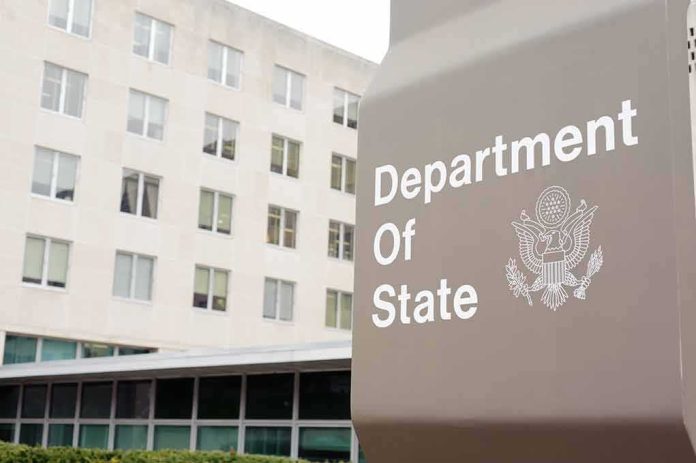
Kristi Noem shared a statement on her personal social media account that looked like a State Department press release. The post said her special envoy role for the Shield of the Americas was always six months, and that she stayed on as a senior adviser. Two people familiar with the matter told Politico that department leaders did not approve that statement and said the letterhead looked official but was not authorized. The dispute centers on who approved the message and which channel should carry it.
State Department officials separately confirmed the core job facts soon after. A spokesperson said Noem’s envoy term had ended and that she continued at the department as a senior adviser. Reports also named Deputy Secretary Christopher Landau as the official she now advises, with work linked to the same portfolio. These confirmations match the substance of Noem’s post. They do not, however, say whether her specific statement used approved formats or cleared processes before it went live.
What The Rules Say About “Official” Messages
State Department policy says all official statements to the press must be approved by the Bureau of Global Public Affairs leadership. The policy also explains that department statements and speeches cleared for the press go through that bureau. The Foreign Affairs Manual further requires documented approvals for accounts used in an official capacity on social media. These rules aim to prevent confusion and ensure that the public can tell when a message truly speaks for the United States government.
Ethics guidance across the federal government also warns against mixing personal channels with official authority in ways that can mislead. Federal rules stress that employees must not create the appearance that the government endorses their personal messages. Agencies publish social media policies to draw a line between personal use and official communications. Those guides help protect public trust by keeping the government’s voice clear and traceable to proper approval steps.
What Is Known, What Is Not, And Why It Matters
Here is what is solid. Noem’s envoy role ended. She remains at the State Department as a senior adviser. Officials confirmed those facts on the record. Here is what is not settled in public. Did State leadership approve the design and release of Noem’s statement on her personal account? Anonymous sources say no. Neither Noem nor the department provided records or a named denial or confirmation about the approval chain, at least in the reporting now available.
Former Homeland Security Secretary Kristi Noem publicly shared a State Department statement confirming her special envoy appointment was limited to six months, raising fresh questions about her role in President Donald Trump's administration, OK! can reveal. pic.twitter.com/Wa2v6Dekcw
— OK! Magazine USA (@OKMagazine) October 21, 2026
This gray zone feeds a larger concern shared by many Americans across the political spectrum. People feel leaders and agencies play by their own rules, protect insiders, and leave the rest of us guessing. When a message looks official but comes from a personal account, trust takes a hit. Clear rules exist, yet enforcement often appears uneven. That pattern is familiar to readers who see one standard for elites and another for everyone else.
Why Both Sides Should Care About The Process
Conservatives want a government that is transparent, disciplined, and accountable. Liberals want a government that is fair, honest, and serves the public. Both groups can agree on this point: official messages should follow clear approval steps and use official channels. That protects the truth, reduces spin, and helps the public hold leaders to account. It also shields employees from claims that they freelanced or misled the press when they did not.
Simple fixes would help. Agencies can post a single, time-stamped notice on their own sites when roles change. They can attach a standard approval line to any release, naming the office that cleared it. They can limit personal account posts to links back to the official page. These small steps would make it harder for any official, appointed or elected, to blur the lines. They would make it easier for citizens to tell signal from noise.
Bottom Line: Facts Are Clear, Process Is Murky
Noem’s position changed as reported, and she still serves at the department. The fight is about process, not the job facts. Anonymous claims say the “press release” did not get leadership approval and used official-looking branding. Policies say official statements need approval and must use approved channels. Until named officials or documents settle the question, the case stands as a warning: in government, how you say something can matter as much as what you say.
Sources:
mediaite.com, rawstory.com, ibtimes.co.uk, washingtonsun.com, dodsoco.ogc.osd.mil, fws.gov, 2021-2025.state.gov