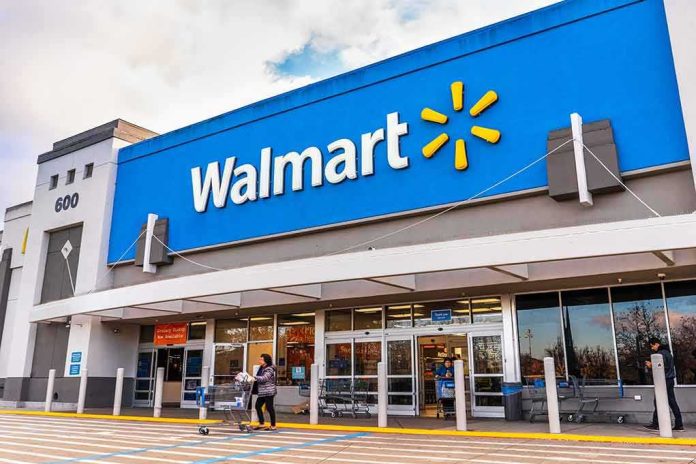
Walmart’s U.S. comparable sales rose just 2.6% last quarter, the slowest pace in more than six years, even as total revenue climbed.
Story Snapshot
- U.S. comparable sales grew 2.6% in Walmart’s fiscal Q2, the weakest since 2020 or earlier.
- Company revenue still increased about 5% year over year, with strong e-commerce growth.
- Management cited pharmacy pricing rules as a major headwind on health and wellness.
- Excluding pharmacy effects, core U.S. comparable sales rose 3.4% according to reports.
What Walmart Reported And Why It Matters
Walmart said U.S. comparable sales rose 2.6% in its fiscal second quarter, missing some Wall Street forecasts and marking the slowest growth rate in years. The company also reported global revenue growth of about 5% and highlighted strong online gains, showing that the weakness was not across the board. Investors watch Walmart closely because it serves price-sensitive shoppers nationwide. A slower quarter can hint at tighter household budgets, even when overall sales still rise.
Company leaders pointed to a health and wellness drag tied to pharmacy pricing regulation as a key factor behind the softer comparable sales number. That pressure lowered prices on certain prescriptions, which reduced sales in that category. Several outlets reported that, if you remove this pharmacy impact, core U.S. comparable sales grew 3.4%, a healthier figure than the headline result. This suggests a specific policy shift, not a broad collapse in store performance, weighed on the tally.
How The Numbers Fit A Bigger Consumer Story
Analysts often treat same-store sales as a window into real-time consumer demand. When Walmart slows, people worry about Main Street. But the quarter also showed strong e-commerce growth and steady transactions, signs that shoppers kept buying, just more carefully and often online. The mix effect matters. Lower pharmacy prices can pull the comparable sales rate down without signaling that families stopped filling baskets with food and household goods.
Media coverage leaned on the “slowest in six years” frame, which is directionally consistent across reports, though exact baselines vary by outlet. That label can overshadow other facts, like rising revenue and digital momentum. Markets tend to punish misses on a single metric, and several stories noted a sharp stock drop after the report. That reaction can make a multi-faceted quarter look like a simple demand problem when the causes include regulation and category mix.
Why Both Sides Of The Aisle Care
Households on fixed incomes feel every price change. A pharmacy pricing rule that lowers certain drug prices can help patients but also cut reported sales. At the same time, grocery and basics still cost more than a few years ago, so shoppers trade down or chase deals. Walmart’s report reflects that squeeze: cautious baskets, strong online ordering, and pressure in regulated health categories. People see this and feel Washington’s policies do not line up with real life.
MARKET-MOVING: Walmart beats Q2 estimates but US comp sales miss, Q3 guidance soft; stock falls 8%
BORSA Read: $WMT · Bearish 20/100 · Impact 60/100
SPY −0.83% · QQQ −0.76%https://t.co/s1XVcZy3D3— BORSA — AI Stock News & Alerts (@BORSAnewsapp) August 21, 2026
For conservatives, the report fits concerns about policy rules that tangle business while energy, freight, and shrink still strain margins. For liberals, the data highlight the gap between top-line growth and families who struggle to afford basics. For both, the theme is familiar: decisions made far from the checkout lane ripple through the economy, and the results show up in slower comparable sales. Walmart is the bellwether because its shoppers are the bellwether.
What To Watch Next
Investors and shoppers should watch three things. First, whether pharmacy pricing effects fade or expand in the coming quarters. Second, if traffic and online growth can keep offsetting softer average tickets. Third, how Walmart guides for the holiday season, which will test whether this slowdown is temporary or a new normal. Management updates in presentations, calls, and filings will tell us if the 2.6% result was a blip or a trend.
Sources:
feedpress.me, nypost.com, investing.com, finance.yahoo.com, reuters.com, stock.walmart.com