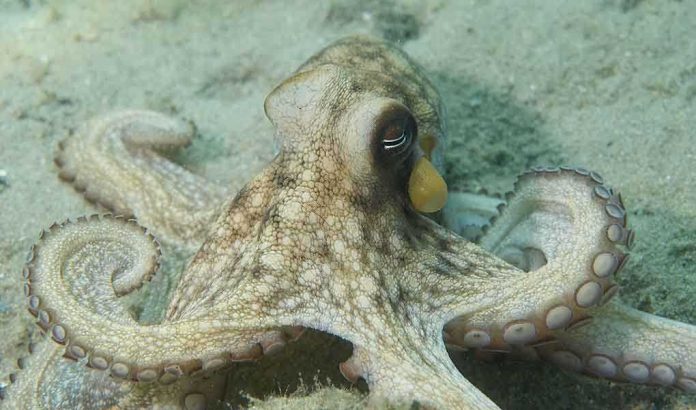
Warm seas are pushing octopus and jellyfish into British waters, and the change is already reaching fishing boats, beaches, and public debate.
Quick Take
- UK sea temperatures from January to July were the warmest on record, according to BBC analysis of preliminary Met Office data.
- Researchers and naturalists have reported more octopus, bluefin tuna, and mauve stinger jellyfish in waters around the United Kingdom.
- Marine Biological Association scientists say the 2025 octopus bloom most likely came from warming seas.
- Plymouth Marine Laboratory says jellyfish blooms have multiple causes, so warming is not the only factor.
Record Warm Water Is Changing the Coast
BBC analysis of preliminary Met Office data found that UK waters had their warmest start to a year since records began. The average surface temperature from January through July was more than 0.2 degrees Celsius above any year since 1980. That matters because warmer seas can shift where marine life lives, feeds, and breeds. Scientists and nature observers have already reported more unusual species in British waters, including octopus, bluefin tuna, and mauve stinger jellyfish.
The bigger story is not just that these species are arriving. It is that the sea is changing fast enough to affect people who depend on it. The Met Office says prolonged warm water can shift fish populations, damage habitats such as kelp and seagrass, and alter the distribution of commercially important fish and shellfish. That warning lands hard in coastal communities already squeezed by rising costs and unstable catches.
Octopus Boom Hits Fisheries First
The strongest evidence for a rapid shift comes from the octopus surge. A Marine Biological Association report said the 2025 bloom was most likely the result of warming seas, and it noted that every historic bloom it studied lined up with unusually warm temperatures. The group also said the 2025 event was the largest recorded in 75 years. That is not a small seasonal bump. It is a major change in the marine food web.
Fishing communities are feeling it in different ways. Some have landed record octopus catches, while crab, lobster, and scallop fisheries have faced sharp losses. The Guardian reported the surge spread from the southwest coast as far as Scotland, Wales, Dorset, and East Sussex. The Marine Biological Association said the bloom has added pressure on shellfish fisheries in southwest England and underlined the need for early warning systems.
Jellyfish: Real Increase, But the Cause Is Still Mixed
Jellyfish are the part of the story where the science is less settled. The Marine Conservation Society reported a 32 percent rise in UK jellyfish sightings from October 2022 to September 2023 compared with the year before, and BBC reporting linked that rise to favorable conditions in warmer seas. But Plymouth Marine Laboratory says the exact cause of recent jellyfish blooms is not yet known. It also says warmer seas do not necessarily cause blooms on their own.
That caution matters because marine blooms can reflect more than one force at once. Plymouth Marine Laboratory points to weather, currents, and prey availability as possible drivers. Older reporting also notes that jellyfish blooms can follow natural cycles of growth and die-off. So the safest reading is not that climate explains everything. It is that warmer water appears to be making some blooms more likely, while other local factors still shape when and where they happen.
Why This Story Resonates Beyond the Beach
This debate touches a wider frustration across the country: people see big changes, but official answers often come slowly and sound incomplete. On one side, major outlets and marine scientists describe warming seas as a clear warning sign. On the other, government-linked researchers urge caution and say the picture is still mixed. Both views can be true at once. The coast may be entering a new phase, but the exact mix of causes still needs better data.
That uncertainty is not an excuse to ignore the trend. The research package points to a clear pattern of warmer seas, unusual species, and stress on fisheries. It also shows why a simple headline can mislead if it treats every jellyfish bloom or octopus haul as proof of one cause. The real challenge is practical: coastal managers, fishers, and scientists need faster monitoring, better species tracking, and plans that can handle a warmer and less predictable sea.
Sources:
feedpress.me, oceanographicmagazine.com, theguardian.com, youtube.com, mba.ac.uk, pml.ac.uk