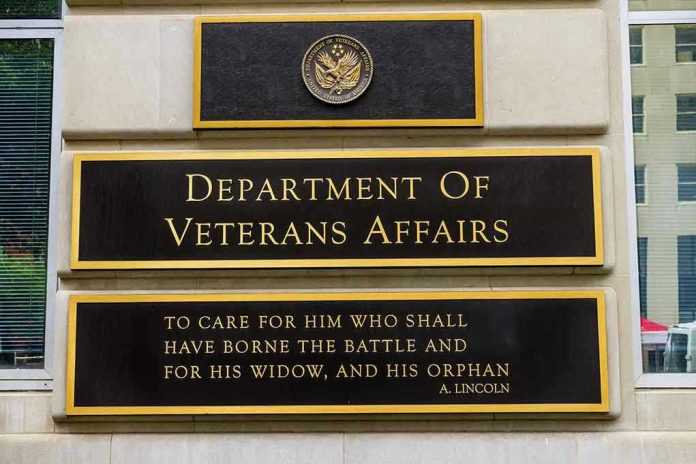
Veterans groups accuse the VA of inventing bureaucratic hurdles to deny loyal service members their full GI Bill benefits, defying Supreme Court orders and betraying the sacred contract with those who defended our nation.
Story Highlights
- VFW and IAVA sue VA in Federal Circuit over unlawful service-break rules blocking combined MGIB and Post-9/11 GI Bill benefits up to 48 months.
- Supreme Court Rudisill ruling (2024) and Perkins decision (2025) affirm full benefits for qualifying veterans, yet VA clings to extra-statutory limits.
- Impacts 1.2 million long-serving veterans, especially those with continuous service from 6-24 years, delaying education and family stability.
- State of Virginia joins suit as federal denials shift costs to state budgets, highlighting government overreach.
- VA partially updated policies February 27, 2026, but lawsuit claims old rules persist, undermining veterans’ earned rights.
Lawsuit Challenges VA’s Extra-Statutory Barriers
Veterans of Foreign Wars (VFW) and Iraq and Afghanistan Veterans of America (IAVA) filed a federal lawsuit on March 5, 2026, in the U.S. Court of Appeals for the Federal Circuit. The suit targets Department of Veterans Affairs (VA) rules requiring a break in service to access combined Montgomery GI Bill (MGIB) and Post-9/11 GI Bill benefits. Plaintiffs argue this condition lacks statutory basis, directly contradicting the 2024 Supreme Court decision in Rudisill v. McDonough. That ruling allowed up to 48 months of combined benefits without waiving one program. Long-serving veterans with continuous active duty face denials despite qualifying total service time. VFW National Commander Carol Whitmore emphasized honoring the contract with service members who sacrificed for America.
VA ‘invented new reasons’ to deny GI Bill benefits, lawsuit claims https://t.co/6lRJBGdv1Q
— Task & Purpose (@TaskandPurpose) March 12, 2026
Supreme Court and Court Rulings Expose VA Non-Compliance
The Supreme Court in Rudisill v. McDonough ruled eligible veterans can use up to 48 months combined benefits across MGIB and Post-9/11 GI Bill without prior waivers. The 2025 Court of Appeals for Veterans Claims decision in Perkins v. Collins extended this to single continuous service periods, rejecting double-counting of time. VA responded with a February 27, 2026, website update announcing automated eligibility reviews and waiver revocations for those with under three months left. Critics, including VFW Counsel John Muckelbauer, charge VA undermines these clear rulings by retaining invented restrictions. This partial compliance leaves thousands of veterans in limbo, eroding trust in federal promises to those who served.
Stakeholders Demand Accountability from VA Bureaucracy
State of Virginia intervened in the suit, citing shifted education costs from federal denials to state programs. Individual plaintiffs include veterans with 6-24 years continuous service denied dual benefits. Pro bono attorneys from Troutman Pepper Locke, such as Luke A. Schamel and Timothy McHugh, argue the law mandates full access without artificial barriers. VA declined comment on the pending litigation while defending prior rules for program integrity. Veterans groups leverage Supreme Court precedents and public pressure against bureaucratic overreach. This fight underscores the need for strict statutory adherence, protecting conservative values of honoring commitments to military families and limiting government invention of rules.
Plaintiffs’ attorney Luke Schamel stated the law clearly entitles veterans to full benefits without service breaks. MOAA noted the VA update ensures no students left without benefits through automation, yet attorneys insist residual rules must change. The ongoing appeal, with VFW brief filed around March 10, 2026, pressures VA for full compliance.
Impacts on Veterans and Broader Precedent
Approximately 1.2 million veterans qualify for both programs, particularly older students with families facing high education costs. MGIB offers up to $2,518 monthly payments; Post-9/11 covers full tuition and housing. Denials force choices between inferior benefits or state aid, causing delays, lost earning power, and academic abandonment. Short-term, court orders could expand access; long-term, victory sets precedent for VA fidelity to statutes. This bolsters veteran employability, family stability, and higher education enrollment while checking federal overreach. Conservatives applaud advocacy holding government accountable to warriors who secured our freedoms.
Sources:
VFW files federal court brief to defend veterans’ full GI Bill benefits
VA limit on GI Bill benefits is challenged by major veterans groups
New VA GI Bill policy could add to your education benefits
In GI Bill case, VA drops appeal, giving another 1-2 million vets extra education benefits
GI Bill benefits after Rudisill v. McDonough