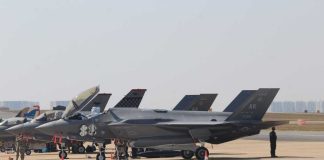
A stunning intelligence leak didn’t just expose potential U.S. strike plans on Iran—it reportedly wiped out the element of surprise and raised fears of a radiological nightmare if nuclear sites are hit.
Quick Take
- A 20 February 2026 leak reportedly revealed highly specific U.S. strike planning against Iranian nuclear and military targets, including timing and launch patterns.
- Analysts say Russia’s intelligence penetration and China’s satellite tracking helped Iran gain early warning, forcing U.S. planners to suspend the strike window.
- The exposed plan included large initial salvos and follow-on attacks, but hardened Iranian facilities and escalation risks complicate any “quick win” assumptions.
- Military and strategic experts cited in reporting warn that striking nuclear sites can carry radiological disaster risks and unpredictable regional retaliation.
What the 20 February Leak Reportedly Exposed
Reporting centered on an intelligence breach dated 20 February 2026 that allegedly laid out detailed U.S. operational planning for strikes on Iran. The material described a broad target set—nuclear infrastructure, missile sites, and command nodes—paired with air and missile operations designed to suppress air defenses and rapidly degrade Iranian capabilities. The most damaging aspect was specificity: details like target matrices, launch platforms, timing, and refueling patterns were described as reaching Tehran before execution.
That level of disclosure matters because operational surprise can be the difference between a short, decisive campaign and a prolonged, risk-heavy fight. The reporting says the leak effectively forced U.S. decision-makers to pause the immediate strike window and reposition high-value assets. If accurate, it is a real-world reminder that Washington’s biggest vulnerabilities are not always battlefield hardware, but information security and the bureaucracy that manages it.
Russia and China’s ISR Role Raises the Stakes
The same account frames the leak as tied to Russian intelligence penetration, with Chinese satellite tracking adding visibility into U.S. logistics and movement patterns. In practical terms, that suggests a multipolar contest where America’s adversaries can help each other see, share, and pre-empt U.S. moves—especially in the Gulf, where distances are tight and missile and drone threats compress response time. For U.S. planners, the result is fewer “clean” options and more contested operating space.
Iran, as the target, benefits most from early warning. When an opponent knows the likely timing, targets, and approach routes, it can disperse equipment, harden command-and-control, and pre-stage air defenses and counterstrike forces. The reporting also points to expectations of layered Iranian retaliation—missiles, drones, and saturation attacks against U.S. bases, naval assets, and regional partners. That kind of retaliation risk is exactly why secrecy, timing, and deception have always been central to deterrence.
Hardened Nuclear Sites and the Radiological Risk
The report highlights a second problem beyond surprise: effectiveness. It notes warnings that even powerful bunker-busting munitions may face limits against Iran’s hardened construction, including advanced concrete used to protect key facilities. When strike plans target nuclear infrastructure, the strategic upside must also be weighed against the possibility of radiological release—especially if attacks damage sensitive sites without fully destroying them. The analysis cited does not claim disaster is inevitable, but it treats the risk as serious.
Why the U.S. Paused—And What We Still Don’t Know
As of early March 2026, the reporting indicates the United States suspended the immediate strike timeline and adjusted basing and deployments to reduce exposure inside dense threat rings. No public confirmation of a renewed strike window was described, and the depth of compromise—who exactly accessed what, and how broadly it spread—remains uncertain. That uncertainty matters, because commanders must assume Iran is preparing for sustained pressure if it believes more action is coming.
Some surrounding chatter in the media environment has leaned into sensational predictions about global conflict in 2026, but those claims are not evidence of what happened on 20 February or of what Washington will do next. The actionable takeaway from the sourced reporting is narrower and more concrete: when a major operation is exposed, planners lose flexibility, escalation becomes harder to control, and regional allies face higher risk as retaliation calculations shift.
Bottom Line for Americans Watching This Under Trump
Americans remember what “forever wars” look like, and they also remember how often Washington’s security state insists it can manage escalation—right up until it can’t. If the leak account is accurate, it is a warning sign about competence and accountability inside institutions that handle national secrets. Protecting the country requires more than tough talk; it requires control of information, clear objectives, and realistic planning in a world where Russia and China can help Iran see what the U.S. is doing.
TRUMP: MISSION ACCOMPLISHED – LEAKED INTEL WARNS OF DISASTER – DOUBTS REGIME WILL FALL – BAHRAIN DESALINATION PLANT HIT // #Islamophobia #NAVY #MojtabaKhamenei #Tehran #Israel #Israel #DonaldTrump #war #Kurds #Bahrain #Cyprus #IranIsraelwar #MiddleEast #krostirain #fakeattacks…
— john kountouris (@johndk7) March 8, 2026
The Trump administration will face pressure from every direction: deter Iran’s nuclear ambitions, protect troops and allies, and avoid a wider regional blow-up that spikes energy prices and puts Americans on the hook again. The reporting does not prove what decision will come next, but it does show why constitutional-minded voters demand limited, accountable government—because when unelected systems fail, the costs land on the public.
Sources:
When Secrecy Fails: How the 20 February 2026 Intelligence Leak Undermined US Strike Plans
Psychic warning 2026 predicted world Jill Jackson
Psychic horrifying predictions 2026 come true one week